
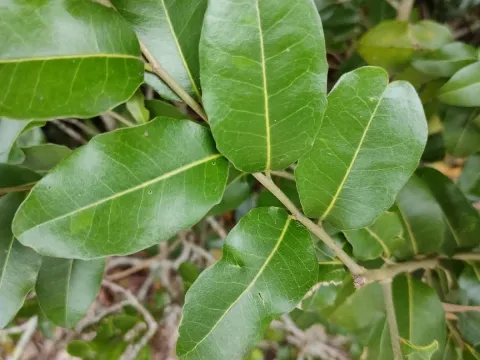
Drypetes
Drypetes
Drypetes is a large genus of evergreen trees and shrubs belonging to the Putranjivaceae family. These plants are primarily native to the tropical forests of Africa, Asia, Australia, and the Americas, thriving in regions characterized by consistently high humidity and warm temperatures throughout the year.
What the section contains
 Drypetes arguta
Drypetes bipindensis
Drypetes bipindensis
Drypetes arguta
Drypetes arguta
Drypetes bipindensis
Drypetes bipindensis
 Drypetes caustica
Drypetes caustica
Drypetes caustica
 Drypetes deplanchei
Drypetes deplanchei
Drypetes deplanchei
 Drypetes diversifolia
Drypetes diversifolia
Drypetes diversifolia
 Drypetes floribunda
Drypetes floribunda
Drypetes floribunda
 Drypetes gerrardii
Drypetes gerrardii
Drypetes gerrardii
 Drypetes gossweileri
Drypetes gossweileri
Drypetes gossweileri
 Drypetes indica
Drypetes indica
Drypetes indica
 Drypetes lateriflora
Drypetes lateriflora
Drypetes lateriflora
 Drypetes longifolia
Drypetes longifolia
Drypetes longifolia
 Drypetes natalensis
Drypetes natalensis
Drypetes natalensis
 Drypetes sepiaria
Drypetes ugandensis
Drypetes ugandensis
Drypetes sepiaria
Drypetes sepiaria
Drypetes ugandensis
Drypetes ugandensis
 Glaucous Drypetes
Drypetes glauca
Glaucous Drypetes
Drypetes glauca
Drypetes
Successful cultivation requires nutrient-rich, well-draining soil with a moderate organic content. Because these plants are native to the forest understory, they demand protection from direct, intense sunlight, which can cause leaf scorch and inhibit healthy development in young specimens.
Temperature management is critical for this genus. They are intolerant to frost and cold snaps, requiring a stable climate between 20°C and 28°C. In temperate regions, they must be housed in greenhouses or conservatories to maintain their growth potential.
Irrigation practices must balance soil moisture without causing waterlogging. A consistent watering schedule is essential, especially during the peak growing season, to maintain the turgor pressure in their often leathery, glossy foliage.
Standard care involves regular fertilization with balanced NPK formulas to support woody growth. Pruning is recommended only to maintain the structural integrity or desired shape of the plant, especially when grown as a container specimen.
The economic value of Drypetes lies primarily in its timber quality. Some species produce durable wood that is used in local joinery, tool handle manufacturing, and small-scale construction projects in tropical regions.
In landscape design, the genus is valued for its dense, evergreen canopy and aesthetic appeal. It is commonly utilized in tropical garden settings to create privacy screens or as an ornamental feature due to its polished leaf appearance.
The fruit of the Drypetes is a drupe, which serves as a food source for local wildlife, contributing to the biodiversity of the ecosystem. While not a commercial crop for human consumption, their ecological role in forest restoration is significant.
Pharmaceutical research has identified secondary metabolites in Drypetes species with potential medicinal properties. These compounds are being studied for their antimicrobial and bioactive effects, pointing toward future value in biotechnology.
Because of their specific environmental needs, commercial cultivation is limited to specialized tree nurseries and botanical institutions focused on preserving and propagating tropical forest species.
The primary threats to the genus include fungal pathogens resulting from stagnant air and poor soil drainage. Root rot is the most common issue, often leading to rapid decline if not detected and addressed through soil aeration and fungicide application.
Pest infestations, particularly by scale insects and spider mites, are frequent in greenhouse environments. These pests thrive in lower-humidity settings and can severely stress the plant by feeding on its nutrient-rich sap.
- Scale insects: Cling to stems and leaves, extracting fluids.
- Spider mites: Cause stippling and webbing on leaf undersides.
- Mealybugs: Hide in leaf axils, creating white, cottony masses.
Effective management includes regular monitoring and the use of integrated pest management strategies. Biological controls, such as predatory mites, are often more effective in greenhouse conditions than harsh chemical interventions.
Environmental maintenance, specifically ensuring good ventilation and preventing overcrowding, is the best strategy for disease prevention. Proper airflow reduces the humidity pockets that favor mold and fungus growth on the foliage.