
Drypetes caustica
Drypetes caustica
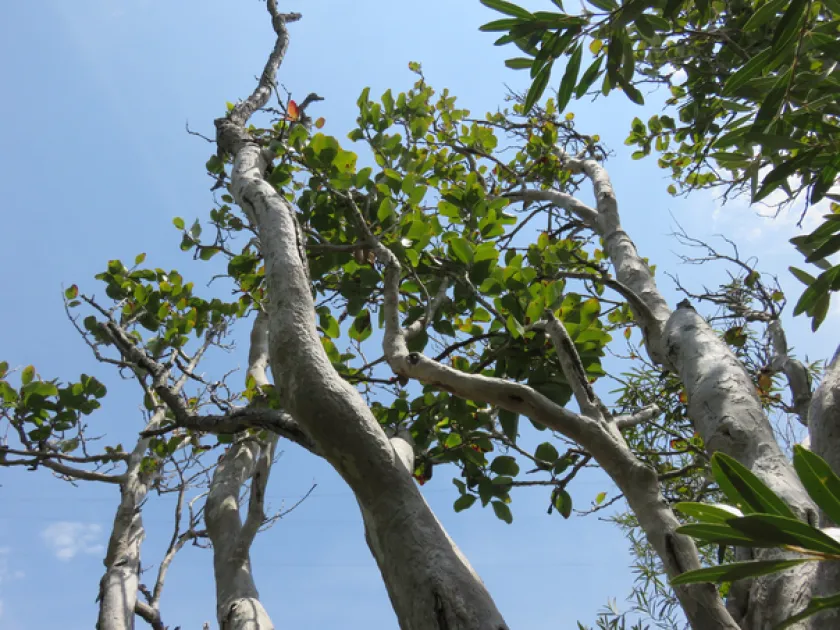
Description
Growing requirements
Drypetes caustica is a distinct member of the Putranjivaceae family. This species is recognized as a tropical evergreen tree, naturally thriving in moist forest environments characterized by high organic content in the soil.
The cultural success of this plant is heavily dependent on maintaining a tropical thermal regime. It is highly sensitive to frost, requiring consistent warmth throughout the year to support metabolic processes and vegetative growth.
Hydration is a fundamental requirement for the healthy development of this tree. It demands high levels of atmospheric and soil humidity, making regular irrigation a priority in areas where precipitation is insufficient.
When it comes to site selection, dappled shade or partial light is essential. Exposure to harsh, direct sunlight can result in leaf scorching and moisture loss, stressing the plant and reducing its decorative or functional value.
Soil quality should ideally range from slightly acidic to neutral. Providing a nutrient-rich substrate, supplemented with organic mulch, helps to replicate the forest floor conditions necessary for the root system to absorb essential minerals.
Harvesting
Harvesting parts of Drypetes caustica requires professional care due to the chemical composition of its sap. The plant's name suggests its caustic properties, necessitating the use of protective gear during all handling phases to prevent skin and eye irritation.
Standard harvesting practices involve the selective cutting of plant tissues. It is crucial to monitor the maturity of the tissues to ensure the desired concentration of biological compounds is achieved at the moment of collection.
Post-harvest handling focuses on preventing contamination and enzymatic breakdown. Immediate sorting and cleaning of the material are vital steps to ensure the structural integrity and chemical purity of the harvested biomass.
Controlled drying is performed to reduce the moisture content without degrading sensitive compounds. Maintaining an optimal temperature range during the drying process is the most effective way to protect the quality of the final product.
Finally, processed material must be kept in sealed, moisture-proof containers in a cool environment. Storing the material correctly ensures that the potency and stability of the extracted components are preserved for their specific applications.