
Drypetes gossweileri
Drypetes gossweileri
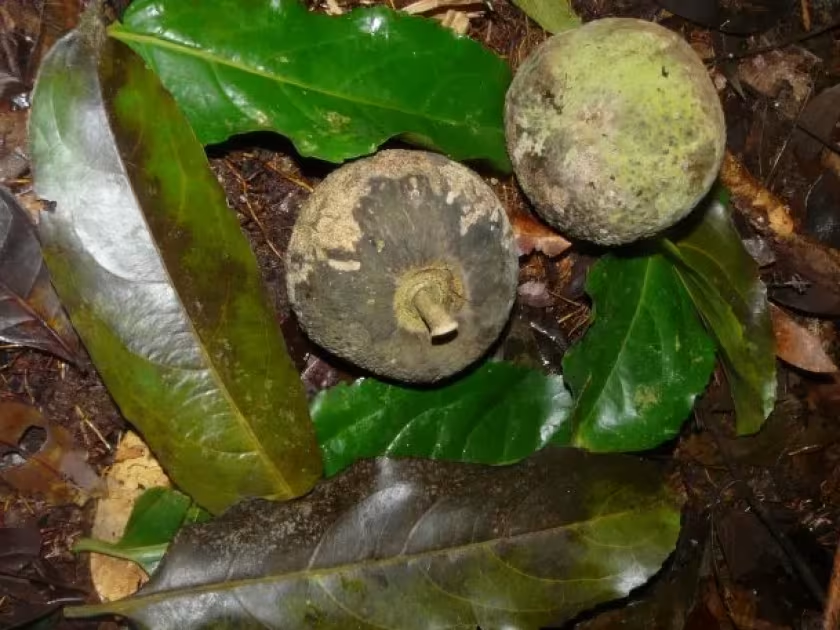
Description
Growing requirements
Drypetes gossweileri is an evergreen tree species belonging to the Putranjivaceae family. It is native to the tropical rainforests of Central and West Africa, where it thrives in the understory of dense forest ecosystems.
The climate requirements for this species include consistently warm temperatures and high relative humidity. It is shade-tolerant, making it well-suited for environments where it is protected from direct, scorching tropical sunlight by the canopy.
Regarding soil conditions, this plant requires deep, fertile, and well-drained soils. Organic matter enrichment is beneficial, as the natural forest floor provides the essential nutrients required for healthy growth and leaf development.
Botanically, the plant is recognized by its stiff, coriaceous leaves and a slow-growing habit that leads to the development of extremely dense and durable timber. This wood density is a key trait that differentiates the species within its habitat.
Economic utility focuses primarily on the use of its high-quality timber in traditional construction and local carpentry. Additionally, some research has highlighted the presence of secondary metabolites in the plant, sparking interest in pharmacological potential.
Main diseases and pests
The primary threats to Drypetes gossweileri are deforestation and fragmentation of its native rainforest habitat. As a slow-growing species, it is particularly sensitive to changes in its microclimate.
In terms of pathology, the tree is susceptible to root rot caused by stagnant water in poorly drained soils. Fungal pathogens can also enter through mechanical injuries to the trunk, necessitating careful management during maintenance.
Insect pests include wood-boring beetles that can significantly compromise the structural integrity of the tree. Regular inspection of the stem and branches is necessary to mitigate long-term damage from these pests.
Competition from invasive fast-growing weeds and climbing vines can stifle the growth of young Drypetes gossweileri specimens. Effective forest management practices are essential during the establishment phase.
Climate instability, particularly shifting precipitation patterns, poses a risk to the natural regeneration of the species. Periods of prolonged drought can lead to increased stress and susceptibility to secondary infections.