
Drypetes lateriflora
Drypetes lateriflora
Description
Growing requirements
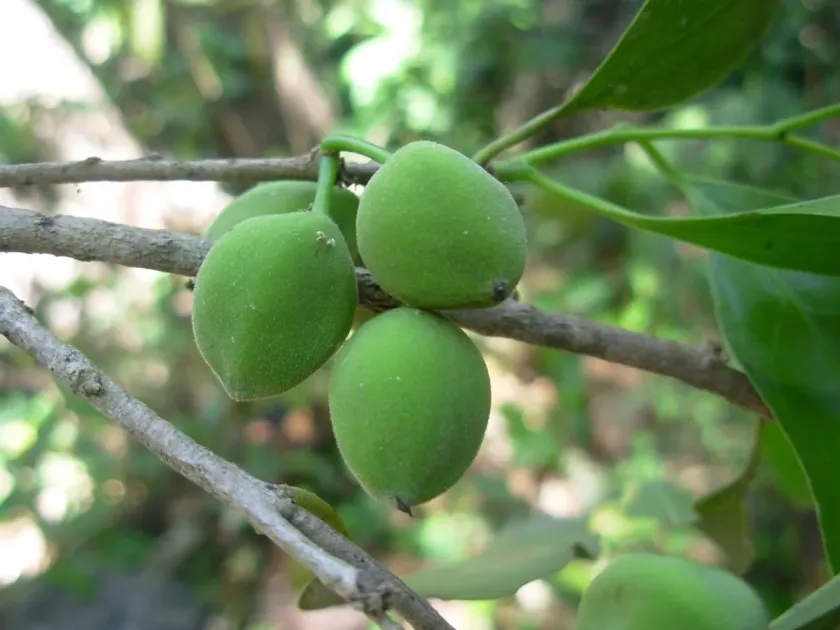
Drypetes lateriflora, commonly known as the Guiana plum, is a species belonging to the Phyllanthaceae family. This evergreen tree is native to the tropical regions of Florida, the Bahamas, and the Caribbean islands, often found in dense hardwood hammocks.
The species requires a tropical climate and thrives in locations sheltered from direct, harsh winds. It is notably resilient to various soil types, particularly thriving in alkaline, limestone-based soils which provide the necessary drainage for its root system.
In terms of light requirements, the Guiana plum is adapted to understory conditions and displays excellent shade tolerance. This makes it an ideal candidate for landscape layering in tropical botanical gardens or private estate plantings.
Cultural practices include ensuring a consistent moisture supply throughout the growing season. While the plant can tolerate brief dry periods once established, supplemental irrigation is recommended for young plants to encourage vigorous canopy development.
The tree serves several purposes, primarily being valued for its dense, glossy evergreen foliage and red fruits, which attract local wildlife. Its wood is notoriously hard and durable, historically utilized for small-scale tool handles and ornamental woodwork.
Main diseases and pests
Pest management for Drypetes lateriflora focuses mainly on scale insects and mealybugs. These pests can cluster on the undersides of leaves and along stems, requiring horticultural oil applications if infestations become severe.
Leaf spot pathogens represent the primary disease threat, typically exacerbated by high humidity and poor air circulation. Implementing proper spacing between trees and maintaining a clean growing environment are effective preventative measures.