
Drypetes indica
Drypetes indica
Description
Growing requirements
Drypetes indica is an evergreen tree species belonging to the Putranjivaceae family. This botanical species is native to the humid tropical forests of South and Southeast Asia, including parts of India, Nepal, and Bhutan, where it serves as a critical structural component of the forest ecosystem.
The plant thrives in regions characterized by high atmospheric humidity and stable temperatures throughout the year. It exhibits an ecological preference for sheltered forest environments where the microclimate remains consistently warm and protected from extreme wind exposure.
For successful cultivation, the species requires fertile, well-draining soils with a significant organic matter content. The optimal soil reaction is slightly acidic to neutral, reflecting the natural forest floor conditions in which the species has evolved over time.
Drypetes indica demonstrates remarkable shade tolerance, particularly during its sapling stage. As the tree matures, it benefits from access to filtered sunlight, which enhances its overall vitality and reproductive capacity in managed forestry settings.
Water management is paramount, as the species is intolerant of prolonged drought conditions. Irrigation must be carefully calibrated to ensure soil moisture consistency without reaching saturation, which could lead to detrimental root system pathogens.
Harvesting
The commercial and agricultural utility of Drypetes indica is primarily focused on timber production and regional ethnomedical applications. The wood is utilized for its durability and structural integrity in specialized woodcraft and local construction.
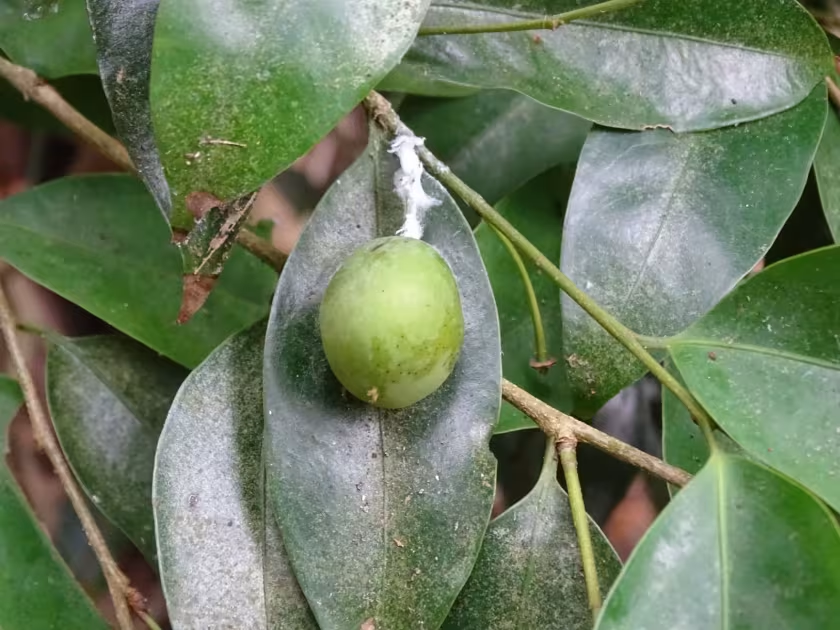
Harvesting of reproductive material is conducted to support reforestation projects and sustainable resource management. Fruits, which typically mature after the monsoon cycle, require careful handling to preserve seed viability for nursery propagation.
Propagation is predominantly achieved through seeds, which should be sown shortly after collection. Nursery management involves providing a controlled, humid environment to stimulate germination and establish healthy root systems in early development stages.
Maintenance of plantations includes organic soil enrichment to support the relatively slow juvenile growth rate characteristic of this genus. Periodic weeding and thinning are necessary to ensure each tree receives adequate space and resources.
Effective management includes regular monitoring for common tropical forest pests that may affect foliage or stem health. Adopting integrated pest management practices ensures the long-term viability of the plantation without heavy reliance on synthetic inputs.