
Drypetes longifolia
Drypetes longifolia
Description
Growing requirements
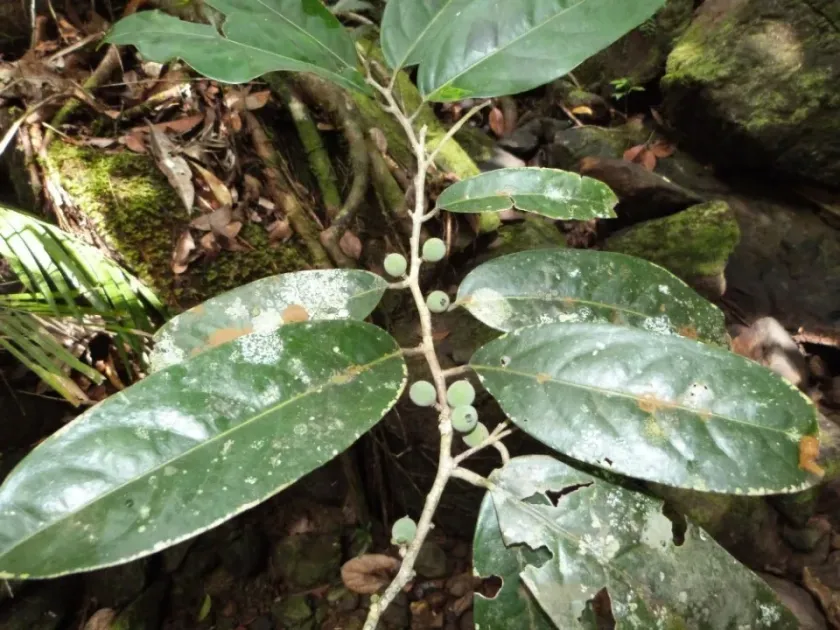
Drypetes longifolia is a distinctive tree species classified within the Putranjivaceae family. It is recognized for its elongated, coriaceous leaves and a slow-growth habit, typical of species found in the understory of dense tropical forests.
The native distribution of this species is centered in the tropical regions of Southeast Asia. It thrives in high-humidity environments where the microclimate remains stable throughout the year, ensuring the health of its evergreen foliage.
Agricultural success depends on providing deep, well-draining soils that are rich in organic matter. While the plant is hardy in its native habitat, cultivation requires protection from extreme weather events and direct solar radiation during the early stages of its development.
Proper soil management involves maintaining a balanced nutrient profile and ensuring adequate aeration. As a perennial crop, it demands minimal intervention once established, provided the regional climate matches its specific heat and moisture requirements.
The primary utility of the species lies in silviculture, where it is valued for producing durable timber with excellent physical properties. It is also increasingly recognized in botanical research for its phytochemical composition, which presents potential opportunities for future industrial applications.