
Drypetes natalensis
Drypetes natalensis
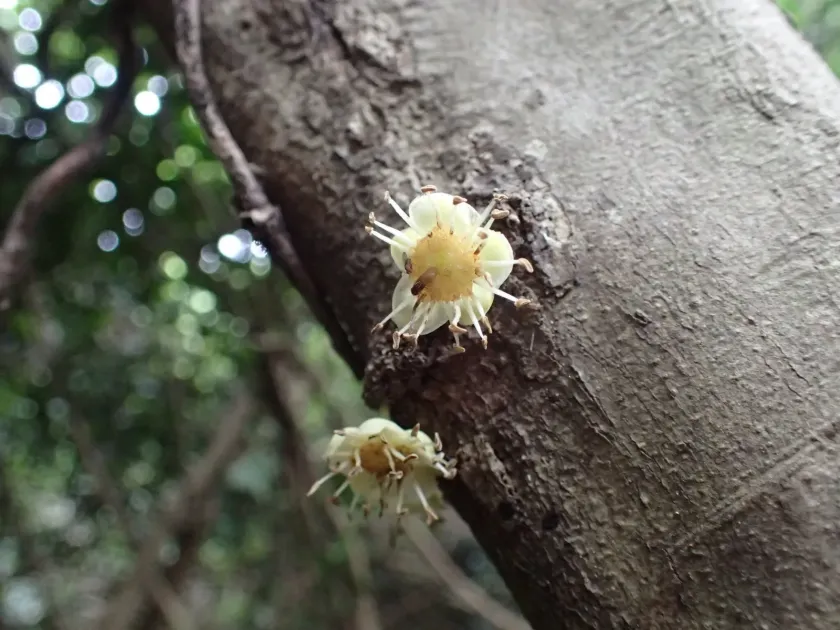
Description
Growing requirements
Drypetes natalensis is a prominent species within the Phyllanthaceae family, native to the tropical forests of Southern and Eastern Africa. It is characterized by a robust growth habit and evergreen foliage, making it a valuable element of its local ecosystem.
The climate requirements for this plant are strictly tropical. It thrives in regions where temperatures remain consistently warm throughout the year and where there is significant annual rainfall to support continuous growth cycles.
Regarding soil conditions, this culture requires deep, nutrient-rich, and well-draining soils. While it can adapt to various forest-type soils, it performs best in environments where organic matter content is high, providing essential nutrients for the tree.
Agricultural management of Drypetes natalensis involves careful moisture control. During prolonged dry seasons, supplemental irrigation is necessary to prevent stress, which could lead to reduced growth rates or susceptibility to secondary pests.
Proper spacing and site selection are crucial for large-scale plantings. Ensuring adequate canopy space allows each tree to optimize light absorption, which is vital for maintaining the health and density of the evergreen canopy.
Main diseases and pests
The culture is generally resilient to many common pests, yet it can be vulnerable to specific wood-boring insects and root pathogens in poorly drained areas. Early detection of symptoms is key to maintaining a healthy plantation.
Fungal infections can manifest as leaf spots or stem rot if humidity levels remain excessive and air circulation is poor. Effective sanitation measures, such as removing affected plant parts, help manage the spread of these pathogens.
Integrated pest management strategies should focus on biological control agents to minimize chemical inputs. This is particularly important for sustaining the biodiversity of the surrounding environment where the tree grows.
Regular inspections of the foliage and the bark are essential components of a sound agricultural monitoring program. Identifying pests before they reach infestation levels ensures the long-term viability of the crop.
Maintaining strong plant health through proper fertilization and water management serves as the primary defense against the majority of threats that this species might face under cultivation.
Harvesting
The primary economic value of Drypetes natalensis lies in its timber, which is known for its durability and structural integrity. It is widely used in local construction and for crafting high-quality furniture pieces.
Harvesting strategies involve selecting mature trees while preserving younger specimens to ensure sustainable forest management and long-term supply cycles within the timber industry.
Post-harvest treatment of the timber requires careful drying to stabilize the wood and prevent cracking. This technical process ensures the final material meets the quality standards required for various woodworking applications.
Beyond timber, there is emerging interest in the phytochemical properties of its leaves and bark. Researchers are studying these components for potential industrial applications in sustainable chemistry and traditional medicine.
The sustainable harvest of this species is critical, as it supports both the local economy and the conservation of forest resources in the regions where this hardy tree naturally thrives.