
Drypetes deplanchei
Drypetes deplanchei
Description
Growing requirements
Drypetes deplanchei is a hardy evergreen tree belonging to the Putranjivaceae family. It is native to the coastal rainforests of Queensland and New South Wales, as well as several Pacific Islands, where it thrives in warm, humid environments.
The tree prefers well-drained, fertile soil types that maintain consistent moisture levels. It is highly adaptable to various coastal substrates, including sandy or rocky soils, which makes it a resilient species for reforestation projects in tropical areas.
Climate requirements include a stable, frost-free environment with high humidity. While it can handle periods of mild drought once established, young saplings require regular irrigation to ensure proper root system development.
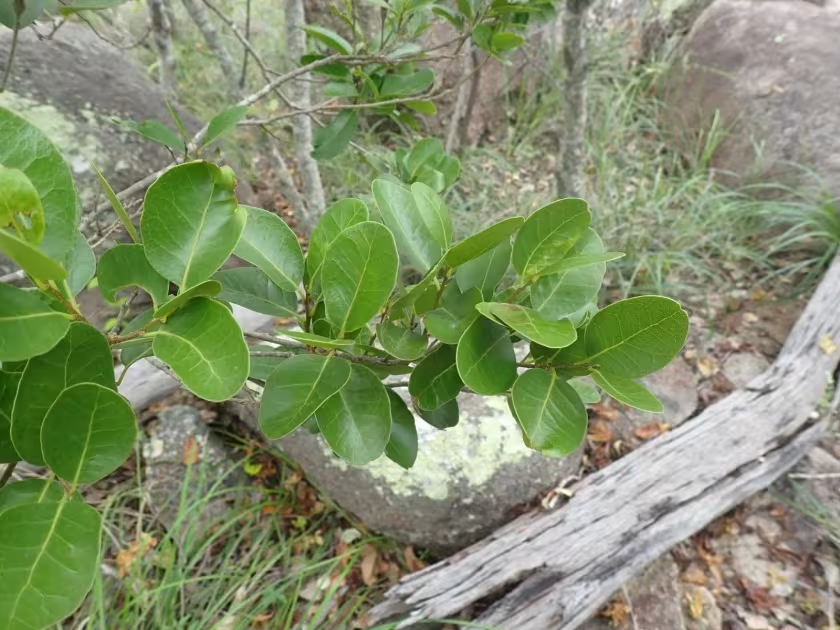
Botanically, the tree is known for its glossy, dark green foliage and dense, rounded canopy. It typically flowers with small, inconspicuous blossoms, leading to the production of hard, fruit-like drupes that are dispersed by birds and small mammals.
In terms of хозяйственное использование, its wood is valued for its strength and durability. While not a primary agricultural commodity, it is widely used in landscape architecture and forest conservation efforts to improve soil stability.
Main diseases and pests
One of the primary threats to Drypetes deplanchei is fungal pathogens, which are encouraged by high moisture and poor air circulation within the canopy. These fungi can cause leaf spots and premature defoliation.
Pests such as scale insects and mealybugs represent a significant challenge for nurseries and young plantations. These insects feed on sap, weakening the plant and potentially leading to stunted growth.
Root rot is a critical concern, especially in clay-heavy or poorly drained soils. The disease affects the root system directly, making it difficult to identify until the tree shows visible symptoms of decline.
To mitigate these risks, it is essential to ensure that planting sites have adequate drainage and spacing. Proper sanitation practices, such as removing fallen infected leaves, help reduce the prevalence of pathogens.
In some regions, environmental stress caused by climate change or extreme weather events can increase the plant's susceptibility to diseases. Monitoring the health of the specimens through regular inspections is key to maintenance.