
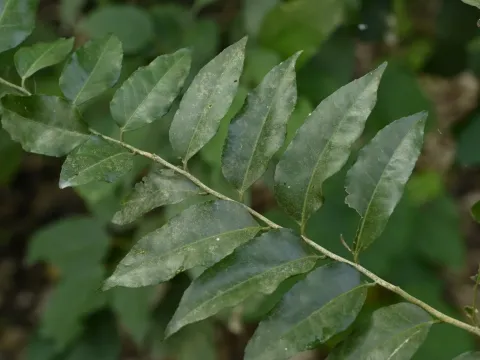
Putranjiva
Putranjiva
Putranjiva, specifically the species Putranjiva roxburghii, belongs to the family Putranjivaceae and is known for its dense evergreen foliage and significant cultural value.
What the section contains


Putranjiva
The tree is native to the Indian subcontinent and parts of Southeast Asia, thriving in tropical and subtropical moist deciduous forests.
Cultivation of this species requires a warm, humid environment with consistent temperatures, as it is highly sensitive to frost and extreme cold.
The ideal soil for Putranjiva is rich, deep, and well-drained loam, which allows for healthy root development and prevents waterlogging during monsoon seasons.
In addition to its use in forestry and timber production, the tree is widely appreciated in landscape design due to its aesthetic structure and evergreen leaves.
Putranjiva trees are susceptible to several fungal diseases, particularly those affecting the foliage, which thrive under conditions of high humidity.
Insect pests such as leaf-eating caterpillars and aphids can cause damage during the early growth stages, requiring careful management in nurseries.
Root rot is a common threat in poorly drained soils and can lead to the rapid decline of mature trees if not addressed through soil management.
Effective pest control involves regular monitoring of the tree canopy and the application of integrated management techniques to prevent large-scale outbreaks.
Maintaining proper plant spacing and ensuring good light penetration are key factors in reducing the incidence of pest and disease problems in plantations.