
Drypetes sepiaria
Drypetes sepiaria
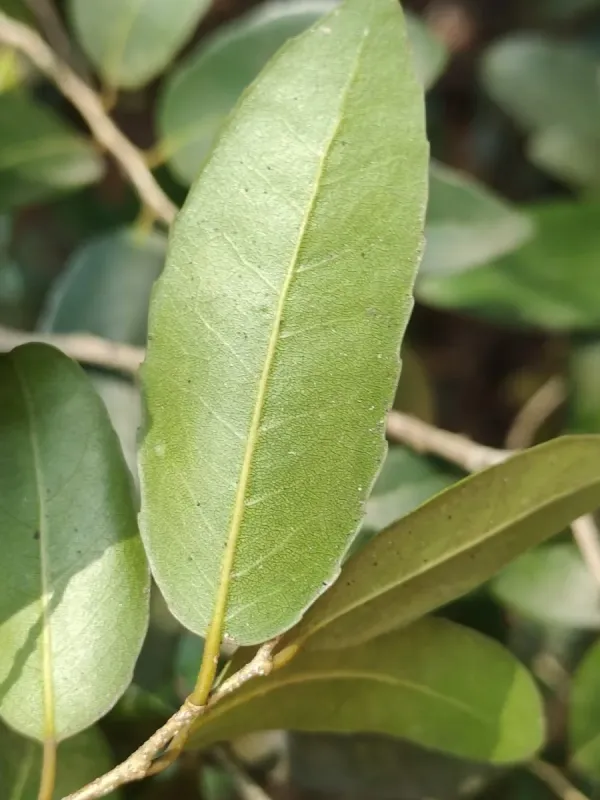
Description
Growing requirements
Drypetes sepiaria is an evergreen tree species belonging to the Phyllanthaceae family. It is native to the tropical regions of South Asia, specifically thriving in the diverse forest ecosystems of India and Sri Lanka.
The cultivation of this species requires a tropical climate with high humidity and consistent temperatures. It performs best on well-drained, nutrient-rich soils that support deep root growth without the risk of water stagnation.
Botanically, it is recognized for its dense foliage and hard wood. It is essentially shade-tolerant, which makes it an ideal candidate for agroforestry systems where it can grow beneath taller canopy species during its establishment phase.
Agricultural management involves routine mulching to retain soil moisture during short dry spells. Fertilization strategies should focus on slow-release organic inputs to mimic the natural nutrient cycling of a tropical forest floor.
Economically, Drypetes sepiaria is valued for its durable timber, which is used for various construction purposes. Additionally, its bioactive properties are being researched for potential pharmaceutical applications in traditional herbal medicine.
Main diseases and pests
Fungal root diseases are the primary threat to the health of these trees, particularly in waterlogged soil conditions. Ensuring proper drainage is essential to preventing the onset of rot and secondary pathogen attacks.
Insects, including various leaf-miners and scale insects, can impact leaf health. An integrated pest management (IPM) approach is recommended to balance the ecosystem and keep pest populations below economic thresholds.
Young trees are susceptible to competition from fast-growing invasive weeds in the early stages. Regular weeding and maintaining a clean cultivation area are vital for the survival of the saplings.
Environmental fluctuations, such as extreme heat combined with low humidity, can cause leaf scorch. Providing appropriate canopy cover or shelter belts helps mitigate these abiotic stresses effectively.
Monitoring the phytosanitary status of the orchard is crucial to detect viral or bacterial infections early. Preventing the spread of these threats is achieved through standard sanitation practices and removing infected plant matter promptly.