
Drypetes floribunda
Drypetes floribunda
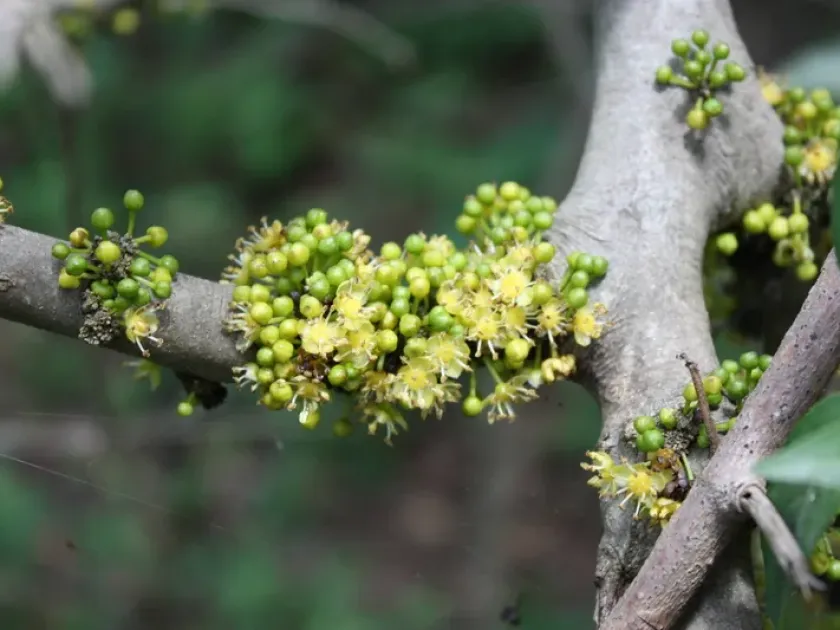
Description
Growing requirements
Drypetes floribunda belongs to the Putranjivaceae family, a group of plants known for their presence in tropical forests. This evergreen species acts as an essential component of the forest canopy, contributing to the overall stability of its habitat.
The native range of this species covers tropical areas of the Americas. It thrives in high-humidity climates where the temperature remains warm throughout the year, supporting continuous growth and metabolic processes.
Optimal soil conditions for this tree include nutrient-rich substrates with excellent drainage. In nature, it often colonizes areas with deep leaf litter, which provides a steady supply of nutrients necessary for its development.
The tree exhibits significant shade tolerance during its early growth stages. As it matures, it adapts to the light conditions of the forest, though it generally prefers moderate exposure rather than direct, harsh sunlight.
Water availability is critical for the survival of Drypetes floribunda. Consistent rainfall or controlled irrigation is necessary to prevent stress, especially during the establishment phase of the young trees.
Harvesting
The primary economic interest in Drypetes floribunda lies in its high-quality timber. The wood is recognized for its durability and structural integrity, making it a preferred material for artisanal woodworking and specialty construction.
Harvesting strategies are typically focused on selective logging techniques that prioritize the long-term health of the ecosystem. This ensures that the population of mature trees is maintained for future generations.
Ongoing research is exploring the chemical properties of the species, as many plants within the Putranjivaceae family contain bioactive compounds. These investigations may lead to new applications in various industrial sectors.
Sustainable plantation management is essential to ensure a stable supply of resources. This involves precise site selection, periodic assessment of tree vigor, and adherence to environmental protection regulations.
The long growth cycle of the species demands careful planning. Managers must balance the immediate need for timber with the ecological imperative of preserving this unique tree species for the future.