
Sibangea
Sibangea
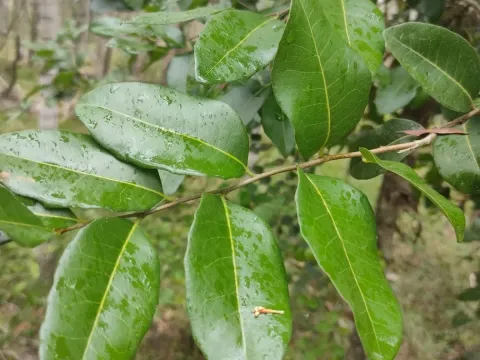
Sibangea is a genus of plants within the Euphorbiaceae family, primarily native to tropical regions of Africa. These plants are known for their distinct botanical characteristics that reflect their adaptation to specific woodland environments.
What the section contains

Sibangea
In a controlled agricultural setting, the cultivation process begins with careful seed selection and preparation, as the seeds often require specific temperature cues to initiate the germination cycle.
Successful sowing requires a substrate that facilitates rapid root establishment, typically composed of a balanced mix of peat, perlite, and coarse sand to ensure optimal drainage.
The timing of sowing must be synchronized with the peak growth season, ensuring that the young seedlings receive adequate thermal units to build robust metabolic processes.
Maintaining a consistent environment during the initial weeks is critical; avoiding fluctuations in temperature and moisture levels significantly improves the percentage of viable seedlings.
This crop thrives in environments that replicate tropical conditions, characterized by high levels of ambient humidity and consistent warmth throughout the growing cycle.
Soil requirements are relatively specific: the plant demands a well-aerated medium with a slightly acidic pH level, which allows for maximum nutrient uptake by the root system.
Light exposure is a critical environmental factor for Sibangea, as the plant requires filtered but high-intensity sunlight to maintain healthy foliage and vigorous stem development.
Regarding irrigation, the crop necessitates a balanced approach where the substrate is kept moist but never saturated, preventing the occurrence of hypoxic conditions in the roots.
Integrated nutrition management, involving periodic application of micronutrient-rich fertilizers, is essential for promoting overall plant health and ensuring resilience against environmental stressors.
The primary threats to the cultivation of Sibangea are fungal pathogens, particularly those that target the root system in conditions of improper irrigation and soil compaction.
Pests represent a significant concern for growers; specifically, sap-sucking insects like spider mites and scale insects can cause substantial damage to the leaves and stem tissues.
Disease management relies heavily on preventative cultural practices, such as maintaining proper air circulation and strictly avoiding the splashing of water onto the foliage.
In case of severe infestations or pathogen outbreaks, biological control agents or targeted applications of specific pesticides are utilized to mitigate losses without affecting plant quality.
Consistent monitoring of plant health, including visual inspections of the underside of leaves, is recommended to detect any early signs of stress or pest colonization.