
Microsorum scolopendrium
Microsorum scolopendrium burm f copel
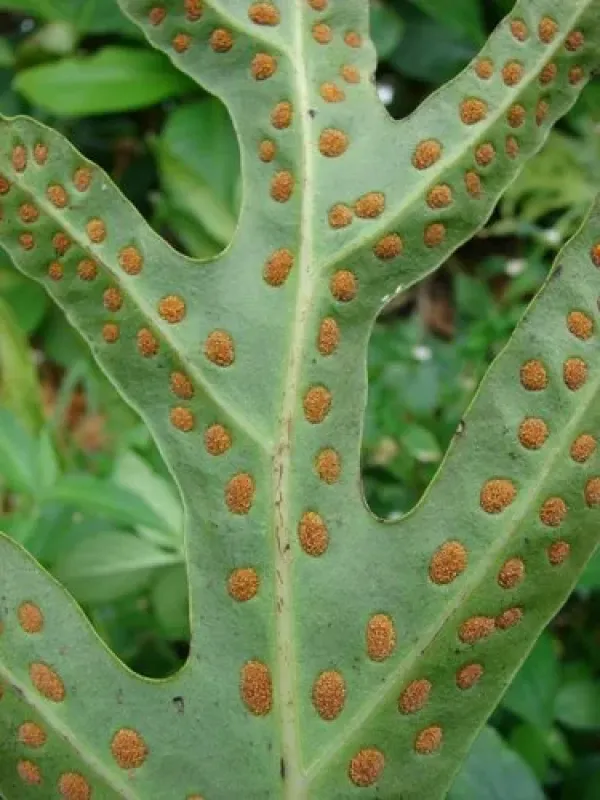
Description
Growing requirements
Microsorum scolopendrium is a distinctive fern belonging to the Polypodiaceae family. Originating from the tropical regions of Southeast Asia, Australia, and the Pacific islands, it is often found growing as an epiphyte in humid forest ecosystems.
The cultivation of this plant requires bright, indirect light. Intense midday sun can easily scorch the fronds, so it is recommended to place the plants in areas with filtered sunlight or under artificial shade in greenhouse conditions.
The substrate must be well-draining, mimicking the forest floor or bark surfaces. A mix of peat moss, perlite, and coarse pine bark is ideal, as it provides the necessary aeration for the rhizomes to thrive without becoming waterlogged.
Temperature management is critical for this tropical species. It flourishes in stable temperatures between +20°C and +25°C. Exposure to cold drafts or temperatures below +15°C can lead to significant physiological stress and stunted growth.
High relative humidity is essential for the healthy development of this fern. Regular misting, the use of pebble trays, or automatic humidification systems are highly recommended to maintain the moisture levels required for healthy frond elongation.
Main diseases and pests
Common pests include scale insects and mealybugs, which often hide in the dense foliage or along the rhizomes. Early detection and treatment with horticultural oils or mild insecticidal soaps are the most effective management strategies.
Overwatering is the primary cause of root rot in Microsorum scolopendrium. To mitigate this risk, ensure pots have sufficient drainage holes and avoid allowing the plant to sit in standing water, which promotes the growth of pathogenic fungi.