
Microsorum pustulatum
Microsorum pustulatum (G. Forst.) Copel.
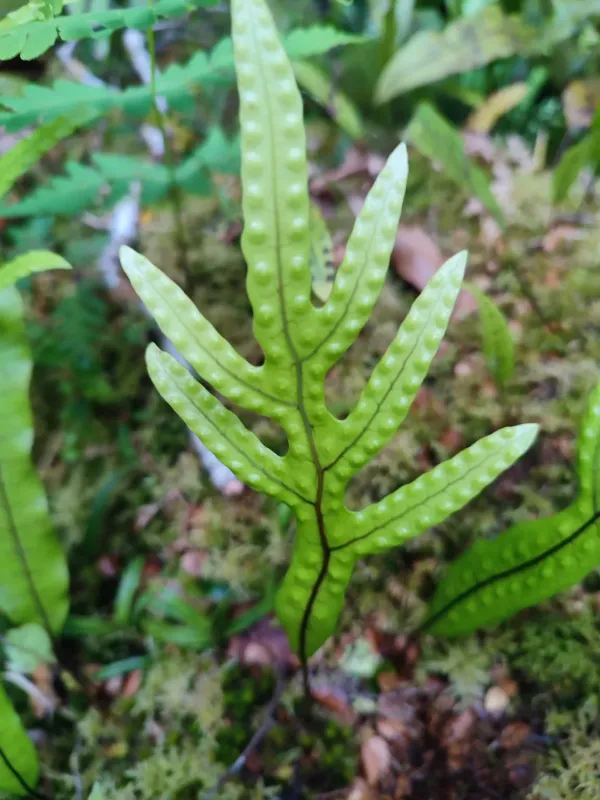
Description
Growing requirements
Microsorum pustulatum is a charming fern species belonging to the Polypodiaceae family, widely recognized for its leathery, dark green fronds. Native to New Zealand and Australia, this plant primarily grows as an epiphyte on tree trunks or as a ground-dwelling species in moist, shaded forest areas.
The botanical structure of the plant features a creeping rhizome covered in scales, from which the fronds arise. Its common name is derived from the pustule-like depressions on the upper surface of the leaflets, which house the sori (spore-producing organs), giving the foliage a unique aesthetic texture.
Successful cultivation requires high humidity levels, ideally maintained between 60% and 75%, and a shaded or semi-shaded location away from direct sunlight. The optimal temperature range for development is between 18°C and 25°C, ensuring a stable environment free from sudden drops or heat stress.
Soil requirements focus on a well-draining, airy medium that mimics its natural habitat. A mixture of peat, pine bark, and perlite provides the necessary structure to support root health while preventing the accumulation of excess water, which could lead to decay.
Watering should be managed consistently to keep the substrate moist but never waterlogged. Using room-temperature water is essential, as the roots are sensitive to cold shock, and regular misting helps maintain the microclimate necessary for the fronds to remain lush and vibrant.
Main diseases and pests
Pests such as scale insects and mealybugs represent the primary biological threats to Microsorum pustulatum. These pests extract sap from the fronds, leading to stunted growth; manual removal and the application of horticultural oils are typically recommended for control.
Fungal pathogens and root rot are common issues resulting from improper irrigation practices, specifically stagnant water in the pot. Maintaining proper drainage and ensuring good airflow around the plant are the most effective strategies for preventing disease outbreaks.