
Microsorum punctatum
Microsorum punctatum (L.) Copel.
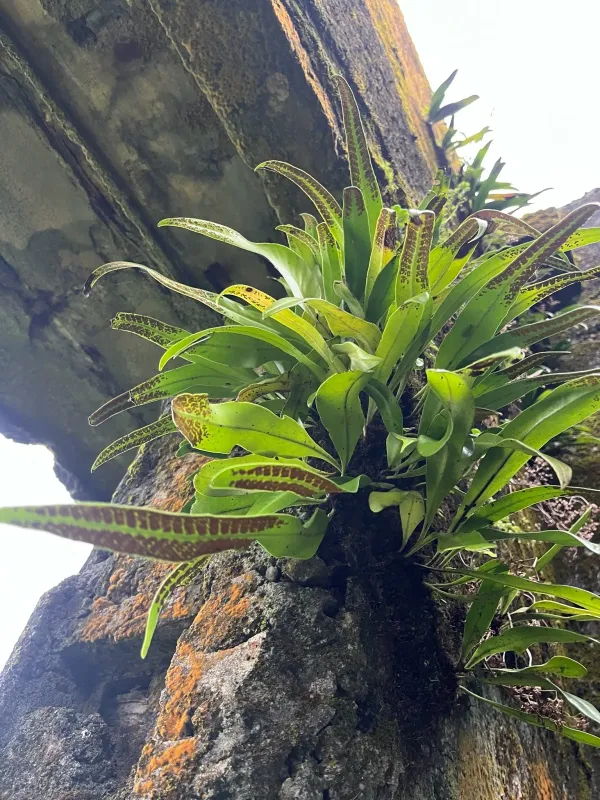
Description
Growing requirements
Microsorum punctatum is a species of epiphytic fern belonging to the Polypodiaceae family. It is native to tropical regions across Africa, Asia, and Australia, typically growing on tree trunks or rocks in humid, shaded environments.
To cultivate this plant successfully, you must replicate its tropical habitat. It requires a temperature range between 18 and 25 degrees Celsius and protection from direct sunlight, which can scorch the fronds. Bright, filtered light is ideal for healthy growth.
Soil requirements involve a well-draining, loose medium. A mix containing peat moss, pine bark, perlite, and a small amount of charcoal is highly effective, as it prevents the roots from staying waterlogged while retaining necessary moisture.
Maintenance involves keeping humidity high through regular misting or using a room humidifier. The plant prefers consistent moisture in the potting mix, but it is vital to avoid saturation, which can easily lead to root stress in the delicate rhizomes.
Its primary use is in indoor horticulture and decorative botanical displays. Because of its structural, leathery fronds and adaptability to container life, it is frequently used in terrariums, hanging baskets, and indoor plant collections.
Main diseases and pests
The main pests affecting Microsorum punctatum include scale insects and spider mites. These pests thrive in dry air conditions, often settling on the underside of the fronds and draining the plant's essential nutrients, leading to yellowing or shriveling.
Root rot is the most prevalent disease, typically resulting from overwatering or poorly draining soil. When the rhizomes sit in stagnant water, they quickly decay, causing the entire plant to collapse within a short period.
Pest management focuses on maintaining optimal environmental conditions and physical removal of insects. In severe infestations, using systemic insecticides or neem oil is necessary, taking care to treat all parts of the foliage thoroughly.
To manage fungal issues, improve airflow around the plant and adjust the watering schedule. Reducing moisture levels during the winter dormant season is a key preventative measure to stop the onset of fungal infections.
Early identification of signs such as dark spots on the fronds or drooping stems is critical. Implementing a strict quarantine for new plants prevents the introduction of pests and diseases, keeping your indoor collection healthy and vibrant.