
Leptochilus
Leptochilus
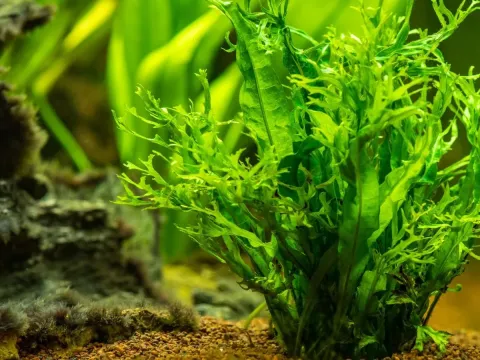
Leptochilus is a genus of ferns belonging to the family Polypodiaceae. These plants are scientifically recognized for their distinct frond dimorphism, where sterile leaves often differ significantly in appearance from fertile, spore-bearing fronds.
What the section contains


Leptochilus
Originating from the tropical regions of Southeast Asia, these ferns are naturally adapted to humid, shaded environments. In cultivation, they require a stable microclimate to thrive and maintain their decorative properties.
The ideal growing medium for Leptochilus should be loose, organic-rich, and well-draining. A mix consisting of orchid bark, peat moss, and perlite provides the necessary structure and aeration required for healthy rhizome development.
Climatic requirements focus on maintaining high humidity levels and avoiding extreme temperature drops. A stable environment between 18 to 25 degrees Celsius is considered optimal for the vegetative growth phase.
Watering should be consistent, ensuring the substrate remains evenly moist throughout the season. Avoid using chlorinated water; distilled or rainwater at room temperature is preferable to prevent chemical damage to the delicate fern roots.
The most prevalent pests affecting Leptochilus in greenhouse or indoor environments include spider mites and scale insects. These pests thrive in dry conditions and can cause significant foliage damage if left uncontrolled.
Root rot remains the most common threat, usually triggered by overwatering or poor drainage. Excess water deprives the rhizomes of oxygen, leading to rapid decay of the entire root system.
Integrated pest management strategies involve daily monitoring and maintaining optimal humidity levels. If infestations occur, the use of mild horticultural soaps or specific acaricides is recommended to minimize impact on the plant.
Fungal infections can appear as brown or black spots on the fronds, often related to poor air circulation. Improving airflow around the plant is essential to prevent the spread of spores and maintain foliage health.
Regular maintenance, including the removal of dead or senescent fronds, is a simple yet effective way to prevent the buildup of pathogens, ensuring the long-term vitality of the Leptochilus fern.