
Linanthus hybrids
Linanthus hybrids
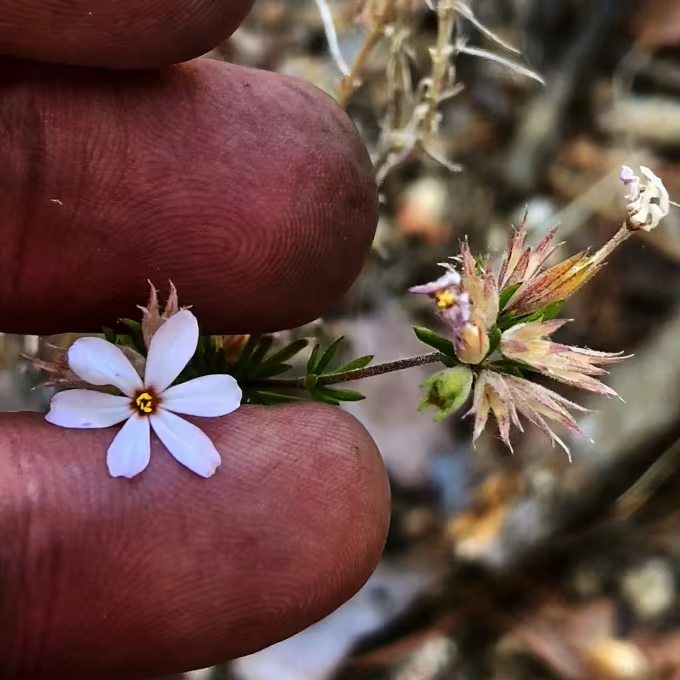
Description
Sowing dates
Linanthus hybrids are delightful annuals belonging to the Polemoniaceae family, known for their compact growth and profuse flowering. Direct outdoor sowing is recommended in mid-to-late spring once the danger of frost has passed and the soil has sufficiently warmed.
For an earlier display, starting seeds indoors in late winter is possible, though plants should be grown in peat or biodegradable pots to minimize root disturbance during transplanting. Seedlings are notoriously sensitive to being moved, so this precaution is essential.
The seeds are minute and should be sown on the surface of the growing medium without covering them deeply. They require light to germinate, so a light dusting of fine sand or vermiculite is sufficient to keep them in place while allowing exposure to light.
Ideal germination temperatures range between 18 and 20 degrees Celsius. Maintaining high humidity with a cover or plastic dome will facilitate consistent germination, which typically occurs within two weeks under proper conditions.
Thinning out seedlings is necessary to ensure each plant has enough space to thrive. Aim for a spacing of about 15-20 centimeters between plants to promote healthy air circulation and prevent the development of moisture-related issues.
Growing requirements
A location with full sun is paramount for Linanthus hybrids. These plants flourish under direct sunlight, which encourages the development of vibrant, dense blooms and helps maintain the compact, sturdy habit of the foliage.
They are best suited to light, well-draining soils with a neutral pH. If your soil is heavy or clay-based, incorporating organic matter or coarse sand will significantly improve drainage, preventing the roots from suffocating in wet soil.
While the plants show some drought tolerance once established, consistent moisture is beneficial during the blooming phase. Water deeply at the base of the plant to avoid wetting the delicate petals, which can cause them to deteriorate prematurely.
Fertilization should be handled with care. A balanced, low-nitrogen liquid fertilizer applied once or twice during the growing season is usually sufficient to support flowering without encouraging excessive, weak vegetative growth.
Protection from strong winds is advisable in exposed gardens, as the delicate stems can be damaged. These plants are not frost-hardy, so they should be protected or established only when the climate is reliably warm and stable.
Main diseases and pests
Fungal diseases are the primary threat, particularly in damp or humid environments. Powdery mildew can appear on the foliage if air circulation is insufficient or if the plants are watered incorrectly during overcast weather.
Root rot is a common outcome of overwatering or poor drainage. Ensuring the soil remains moist but never waterlogged is the most effective preventative measure against these silent plant killers that destroy the root structure.
Spider mites can be a significant nuisance during dry, hot spells. They thrive in these conditions and can cause the foliage to become stippled, yellowed, and eventually necrotic, weakening the overall vigor of the plant.
Aphids may occasionally target the soft tips of new growth. These pests are usually easy to manage with mild horticultural soap sprays or by simply dislodging them with a focused stream of water early in the morning.
Sanitation is key to managing threats; removing fallen leaves and spent flowers helps prevent the buildup of pathogens. Providing ample space between plants prevents the rapid spread of infections, ensuring a healthy garden throughout the season.