
California linanthus
Linanthus californicus
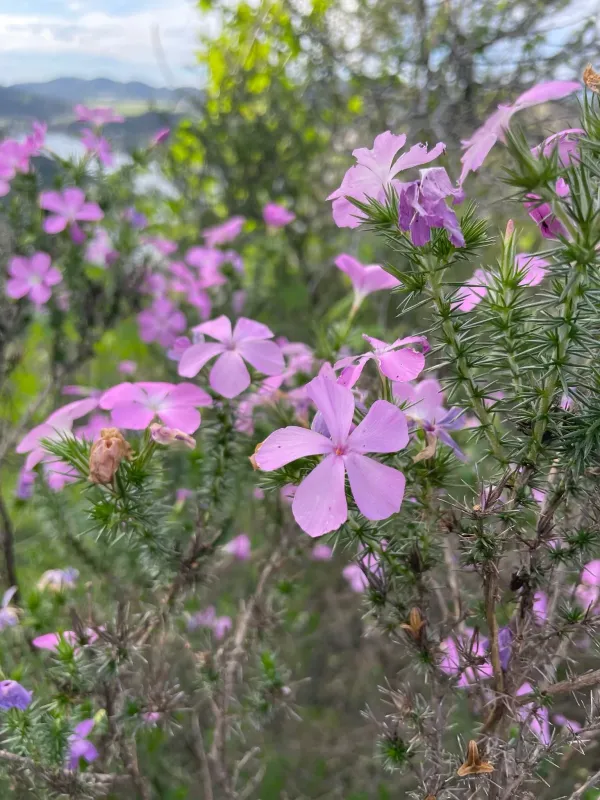
Description
Sowing dates
California linanthus is typically sown in the spring once the danger of frost has passed, ensuring the soil has warmed up sufficiently for germination.
Gardeners often opt for direct sowing into well-prepared garden beds, as the plant prefers not to have its root system disturbed by frequent transplanting efforts.
Seeds should be distributed lightly over the surface of the soil, as they require a certain amount of exposure to light to trigger the germination process effectively.
Maintaining a consistent moisture level during the first two weeks post-sowing is crucial for achieving a uniform stand of seedlings across the planting area.
Spacing should be managed early to ensure that each plant has at least 8 inches of breathing room, which promotes a healthy and robust flowering display.
Growing requirements
As a member of the Polemoniaceae family, this plant thrives in environments that mimic its native Californian habitats, characterized by sunny and open spaces.
Well-drained, sandy or gravelly soil is essential for this species; heavy clay soils should be amended with organic matter and grit to prevent root suffocation.
Watering should be approached with caution, as the plant possesses a degree of drought tolerance and performs best when the soil is allowed to dry out between sessions.
Exposure to full sun for at least six to eight hours a day is vital, as insufficient light will result in leggy, unproductive growth and reduced floral density.
The plant does not require high levels of soil fertility and can actually suffer if over-fertilized, leading to excessive vegetative growth rather than bloom production.
Main diseases and pests
Root rot is the most significant threat to the health of California linanthus, usually caused by poor drainage or overwatering in high-humidity climates.
Pests such as aphids may occasionally colonize the tender tips of the plants, particularly in early spring, requiring prompt and targeted intervention to control.
Mildew can become an issue if air circulation is poor, emphasizing the need for proper plant spacing and careful placement in areas with good natural airflow.
Regular monitoring of the foliage is recommended to catch the early signs of pest infestations, allowing for mechanical removal before chemical treatments become necessary.
- Use of well-draining soil mixes.
- Strategic pruning to improve airflow.
- Early identification of pest presence.