
Gilia achilleifolia
Gilia achilleifolia
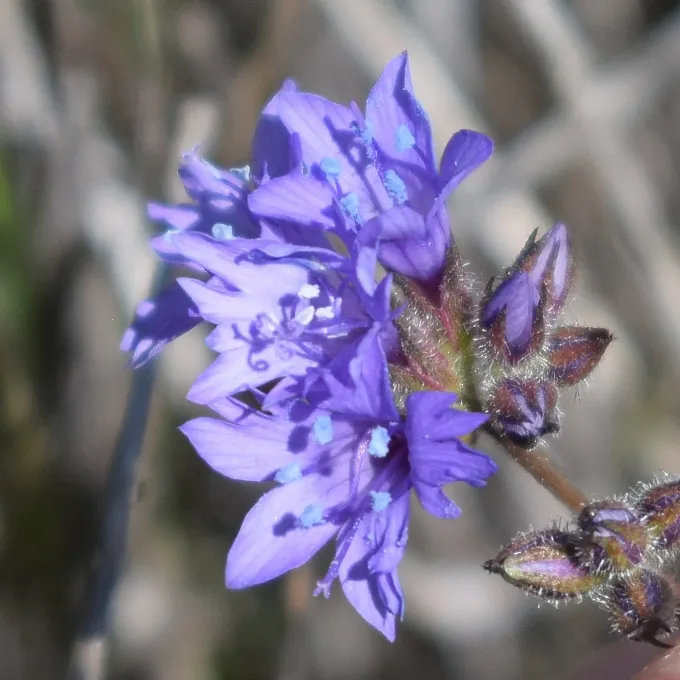
Description
Sowing dates
Sowing Gilia achilleifolia in open ground is best performed in the spring once the soil has warmed up and the risk of late frosts has completely passed. The ideal planting window usually falls between late April and May.
Fall sowing is also a highly effective method, performed in October or November. This practice allows the seeds to undergo natural stratification over the winter, resulting in more vigorous and uniform germination when the spring temperatures rise.
Because the seeds are extremely small, they should not be planted deeply. Instead, surface sow them and barely cover with a very fine layer of sand or loose soil to ensure the light exposure necessary for proper germination.
When sowing in rows, maintain a spacing of approximately 25–30 centimeters between lines. This spacing is crucial for providing sufficient airflow and ease of management throughout the growing season.
Once seedlings have emerged, it is advisable to thin them to a final spacing of about 20 centimeters apart. This ensures that each plant has enough space to develop its root system and foliage without undue competition.
Growing requirements
Gilia achilleifolia is a member of the Polemoniaceae family. It is an annual herbaceous plant native to the western regions of North America, typically found in dry, sunny, and open habitats.
The plant thrives in full sun and has a low tolerance for any form of shade. Adequate solar exposure is a fundamental requirement to prevent leggy stems and ensure optimal flower production throughout the season.
Well-draining, sandy, or loamy soils are ideal for this culture. It is essential to avoid heavy, clay-rich soils that retain moisture, as the plant is highly susceptible to root rot in waterlogged conditions.
Once established, the plant is remarkably drought-tolerant, making it an excellent candidate for regions with lower rainfall. Supplemental irrigation should only be provided during periods of severe and prolonged dry spells.
Gilia prefers a moderate temperature range between 18 and 25 degrees Celsius. Good air circulation is equally important to maintain plant vigor and prevent the buildup of moisture-related pathogens.
Main diseases and pests
The primary concern for Gilia is root rot, which typically occurs if the soil drainage is poor or if the plants are kept excessively damp. Maintaining a dry, well-drained environment is the most effective preventative measure.
Powdery mildew can occasionally develop in areas with poor ventilation or high humidity. Ensuring proper plant spacing helps to lower the risk by facilitating better airflow around the foliage.
Aphids can sometimes infest the plants, particularly during the budding phase. If these pests are present, use appropriate organic soaps or horticultural oils to manage populations without harming beneficial insects.
Slugs and snails may occasionally feed on young seedlings in cool, damp spring weather. Implementing physical barriers like copper tape or crushed eggshells around the perimeter can effectively protect early-stage plants.
Overall, this plant is quite resilient and resistant to most diseases. By prioritizing site selection with excellent sun exposure and proper drainage, most health issues can be completely avoided during the growing cycle.
Harvesting
Harvesting for seed collection should take place in late summer when the seed capsules have turned brown and brittle. It is important to harvest before the capsules naturally split open to prevent unnecessary seed loss in the field.
For floral use, stems should be cut when the flowers are partially open. This stage ensures the best vase life and allows the flowers to continue opening while displayed in arrangements.
To preserve flowers for dried arrangements, cut the stems on a dry afternoon after the dew has evaporated. Hang them upside down in a cool, dark, and well-ventilated room until they are fully desiccated.
If managed as a honey plant, minimize field traffic during the flowering period to protect the delicate stems and nectar production. Avoid using chemicals during this time to maintain local pollinator health.
After the season concludes, spent plant material can be shredded and incorporated back into the soil, provided that the plants did not show any signs of fungal infection or disease during their growth.