
Linanthus androsaceus
Linanthus androsaceus
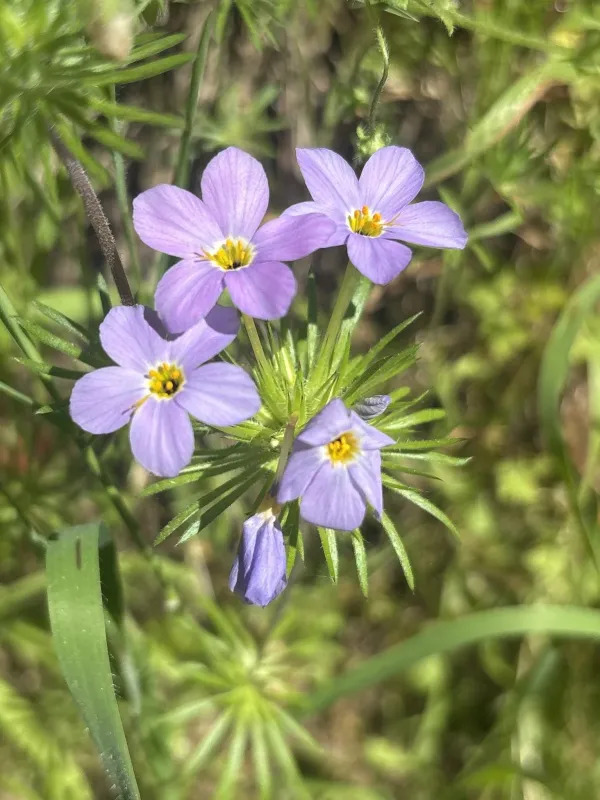
Description
Sowing dates
Seeds of Linanthus androsaceus are sown directly into the soil in early spring after the threat of frost has passed to ensure steady germination.
For gardeners in colder climates, starting seeds indoors in containers 4 to 6 weeks before the last frost date is an effective way to establish stronger seedlings.
The seeds are minute and require surface sowing; they should be lightly pressed into the soil to ensure good contact without burying them too deeply, as they need light to germinate.
Maintaining a consistent soil temperature of about 18–20 degrees Celsius is crucial for success, along with ensuring sufficient moisture in the growing medium.
Thinning the seedlings is an essential step if sown directly, providing each plant with at least 15 centimeters of space to develop its full bushy shape.
Growing requirements
Belonging to the Polemoniaceae family, Linanthus androsaceus is native to the western parts of North America, adapted to open and well-drained habitats.
This crop thrives in sunny locations with light, well-draining soil, ideally of sandy or loamy texture, which mimics its natural mountainous environment.
It is characterized as a drought-tolerant plant once established, though moderate watering during peak summer heat promotes more vibrant and long-lasting blossoms.
The species prefers neutral to slightly acidic soil conditions and does not perform well in heavy, compacted, or clay-heavy soils that trap excessive moisture.
Fertilization should be handled with caution, as excessive nitrogen levels will stimulate unwanted foliage growth at the expense of its characteristic delicate flowers.
Main diseases and pests
Root rot represents the primary agricultural threat, typically resulting from poor soil drainage or over-irrigation during periods of high humidity.
Powdery mildew may occur if plants are situated in environments with limited airflow or if overhead watering creates constantly damp foliage conditions.
Pests such as aphids and spider mites can occasionally affect the plant, particularly in dry and hot conditions, feeding on the succulent terminal buds.
Integrated pest management strategies, such as maintaining proper plant spacing and sanitation in the flower bed, are effective at reducing these risks naturally.
Monitoring for signs of distress is recommended; if intervention is required, light application of organic-based fungicides or insecticidal soap is usually sufficient.