
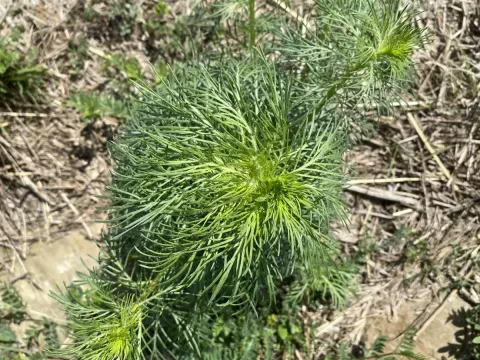
Ipomopsis
Ipomopsis
Sowing Ipomopsis seeds typically takes place in early spring after the risk of frost has passed. The seeds are small and require a shallow sowing depth, barely covering them with a light layer of substrate to ensure they have sufficient contact with moisture while remaining exposed to light.
What the section contains


Ipomopsis
When starting indoors, seeds should be sown in mid-March. Using a sterile, well-draining seed-starting mix is essential to prevent damping-off, a common issue in this genus. Maintaining a stable temperature around 18-20°C helps ensure uniform germination.
Transplanting seedlings requires caution, as Ipomopsis develops a sensitive taproot that does not tolerate disturbance well. It is highly recommended to use biodegradable pots or cell trays to allow for direct planting without root exposure.
Spacing is critical for the long-term health of the plants. Depending on the species, plants should be spaced at least 25-30 centimeters apart to ensure adequate ventilation and prevent the buildup of humidity, which could foster pathogen development.
Once seedlings are established in the garden, they adapt quickly if they are placed in a spot that mimics their natural environment. Irrigation during the initial establishment phase is crucial to encourage strong root growth before the summer heat arrives.
Ipomopsis belongs to the Polemoniaceae family and is native to diverse habitats in North America, ranging from arid plains to mountain slopes. Consequently, the plant is well-adapted to well-drained, nutrient-poor, and sandy soil structures.
Full sun is a strict requirement for Ipomopsis. In shaded conditions, the stems tend to become leggy and weak, significantly reducing the flower yield. Adequate solar exposure is vital for the development of its signature vibrant inflorescences.
The plant thrives in regions with low to moderate humidity. It is relatively drought-tolerant once established, owing to its deep root system. Over-watering is the most common mistake in its cultivation, often leading to rapid root decay.
Soil pH should ideally be neutral to slightly acidic. If the soil is heavy or tends to retain water, incorporating coarse sand or grit is necessary to improve drainage, as the genus is highly susceptible to stagnant moisture around the root crown.
Low-fertility soils are generally sufficient for this crop. Excessive fertilization, particularly with high-nitrogen compositions, can lead to aggressive vegetative growth that lacks structural integrity and decreases the overall aesthetic or medicinal quality of the plant.
The primary threats to Ipomopsis are soil-borne fungi and root rots triggered by damp conditions. These diseases often present as sudden wilting and discoloration at the base of the stem, spreading rapidly if the soil remains waterlogged.
Common insect pests include spider mites and aphids, which thrive in dry, hot weather. These pests colonize the undersides of the leaves, drawing sap and weakening the plant, which may ultimately lead to stunted growth or bud abortion.
Integrated Pest Management (IPM) is recommended to mitigate these risks. Regular scouting for early signs of infestation allows for targeted intervention using horticultural oils or systemic insecticides, which are effective without causing excessive damage to beneficial insects.
To prevent the spread of fungal pathogens, it is vital to practice proper sanitation. Removing any dead or dying plant debris from the plot significantly reduces the overwintering capacity of common fungi and prevents early-season outbreaks.
Maintaining adequate air circulation between individual plants is the best natural defense against mildew and other humidity-related pathogens. Pruning or thinning out crowded areas can enhance airflow and significantly improve the resilience of the entire planting area.