
Ottochloa arnottiana
Ottochloa arnottiana
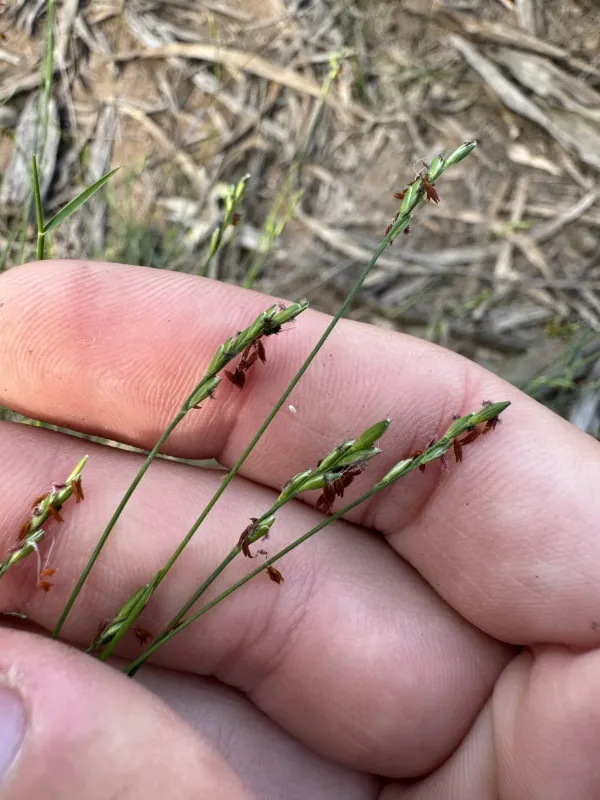
Description
Sowing dates
Ottochloa arnottiana is a perennial grass species that typically propagates through natural regeneration or through seeding at the beginning of the rainy season.
The optimal time for sowing is during periods of stable warm weather when soil temperatures reach between 20 and 25 degrees Celsius for steady germination.
Due to the small size of the seeds, shallow sowing with light soil compaction is essential to ensure proper contact and moisture absorption for the seeds.
In its native environment, the plant spreads vegetatively through nodal rooting, allowing it to rapidly colonize open spaces and establish dense cover.
Agronomists suggest preparing a moist, well-tilled seedbed to ensure uniform emergence and rapid development of the root system during the initial growth phase.
Growing requirements
Ottochloa arnottiana belongs to the Poaceae family and thrives in humid tropical conditions that provide consistent warmth and abundant natural light.
The crop is highly adaptable to various soil types, though it performs best in loamy, well-drained soils with a neutral pH level for optimal nutrient uptake.
This grass exhibits significant tolerance to periodic waterlogging, making it a suitable choice for cultivation in river floodplains or low-lying agricultural areas.
Temperature is a critical factor for growth; the plant requires a range of 22 to 30 degrees Celsius to maintain healthy metabolic activity and biomass production.
While hardy, prolonged drought can lead to growth stagnation, making supplemental irrigation advisable if consistent high yields of biomass are required.
Yield
The primary agricultural use of Ottochloa arnottiana is the establishment of productive pastures for livestock grazing in tropical and subtropical regions.
The plant is known for its rapid regrowth capacity after grazing or mowing, allowing for multiple harvests within a single growing season under proper management.
The nutritional profile of the green forage is balanced, providing adequate protein and fiber content to support the growth and health of grazing cattle.
Biomass yield is highly responsive to soil fertility and the strategic application of nitrogen fertilizers, which significantly boost leaf and stem development.
Proper management of the pasture ensures the maintenance of a thick sod, which serves to prevent soil erosion and preserves the land's structural integrity.
Main diseases and pests
Major threats to the crop include fungal infections, which are often exacerbated by high humidity and poor air circulation within the dense foliage canopy.
Pests such as grasshoppers and various caterpillar species can cause significant damage to the leaf tissue if their populations are not monitored.
Competition from invasive weeds during the early establishment stage is a common challenge, necessitating weed management strategies to protect the stand.
To mitigate the risk of disease, it is essential to avoid overgrazing, which weakens the plant and leaves it susceptible to various environmental stresses.
Integrated pest management, including the use of biological control agents, is recommended to maintain crop health while minimizing the use of synthetic chemicals.
Harvesting
Hay production should ideally occur during the heading phase, ensuring the harvest captures the peak nutritional density before translocation to seeds.
When managed as a pasture, rotational grazing schedules must be implemented to prevent over-utilization and allow for the replenishment of root reserves.
Mowing height should be maintained at 5 to 7 centimeters to protect the crown and ensure vigorous regrowth from the tillering nodes of the plant.
Seed harvesting requires careful timing as the seeds mature; they should be collected as soon as the inflorescences turn brown to prevent excessive shedding.
Effective harvest practices not only maximize the quality of the harvested biomass but also ensure the long-term persistence and sustainability of the pasture.