
Ottochloa fusca
Ottochloa fusca
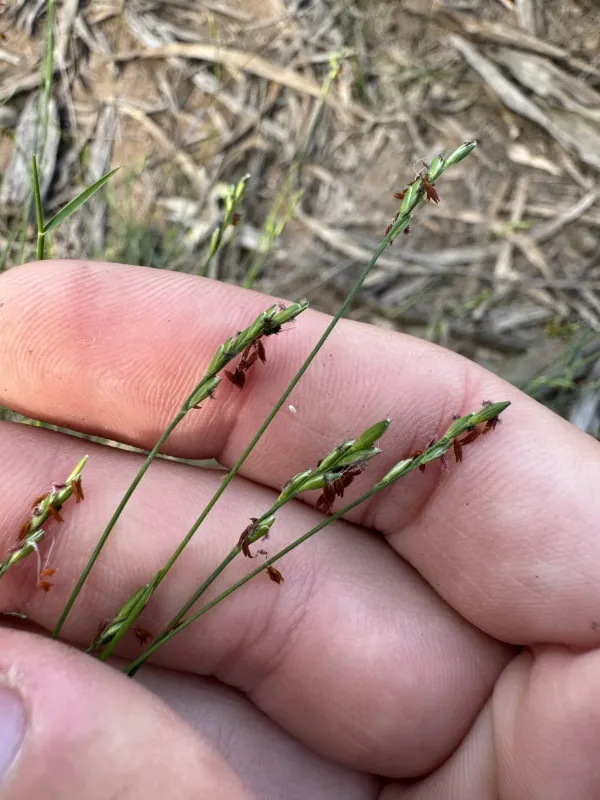
Description
Growing requirements
Ottochloa fusca is a perennial grass species belonging to the Poaceae family. It is recognized for its creeping growth habit, which allows it to form dense mats of vegetation that are highly effective in ground cover and soil stabilization.
The species originates from tropical regions where it thrives under warm temperatures and consistent moisture levels. It is particularly well-adapted to environments that experience distinct wet seasons, where it can rapidly accumulate biomass.
Botanically, the plant features elongated, narrow leaves and a branching stem structure that roots at the nodes. This allows for rapid vegetative propagation, making it a robust species in favorable ecological niches.
In terms of environmental requirements, it prefers fertile soils with adequate drainage, although it shows a remarkable tolerance for waterlogged conditions. It is capable of growing in partial shade, distinguishing it from many other heliophytic pasture grasses.
The primary agricultural utility of Ottochloa fusca lies in its use as a palatable forage for livestock. It is frequently managed in grazing systems where its ability to regenerate after defoliation ensures continuous pasture availability.
Main diseases and pests
The culture is susceptible to various fungal pathogens when humidity remains high for extended periods, leading to leaf blight or rust. Maintaining a regular grazing cycle helps manage the canopy density and prevents the accumulation of diseased organic matter within the sward.