
Oreochloa seslerioides
Oreochloa seslerioides
Description
Growing requirements
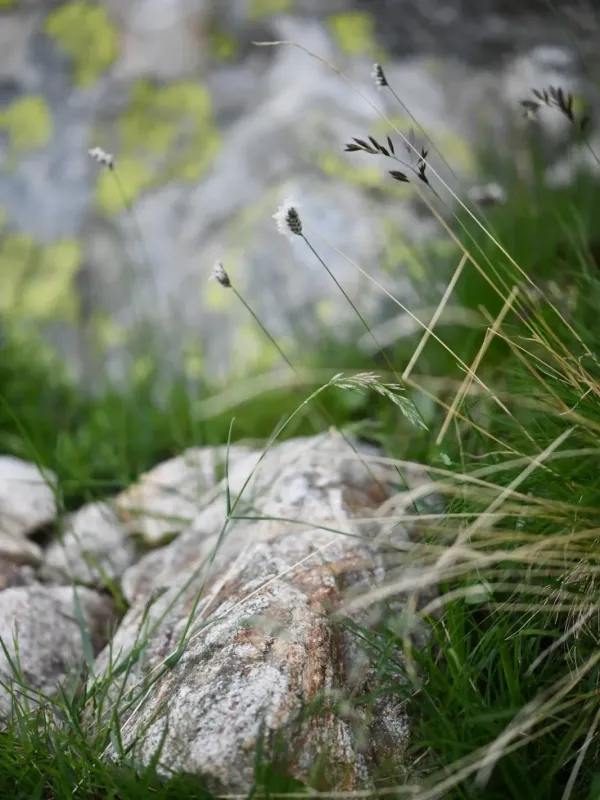
Oreochloa seslerioides is a perennial grass species belonging to the Poaceae family. Native to the mountainous regions of Europe, it is primarily found in alpine meadows and rocky terrain, thriving in harsh, high-altitude conditions.
This species is well-adapted to cool, open environments with high solar intensity. It requires well-draining, stony, or sandy soils to prevent root rot, as the plant is highly susceptible to waterlogging. It performs best in nutrient-poor substrates that mimic its natural habitat.
Agricultural management of Oreochloa seslerioides is focused on maintaining soil stability and preventing erosion. It is a slow-growing plant, which makes it highly effective for specialized landscaping in mountainous areas or rock gardens where ground stabilization is required.
The plant demonstrates significant tolerance to frost and extreme weather fluctuations. In cultivation, it rarely requires intensive fertilization, as excessive nutrient input can actually reduce its compact growth habit and natural hardiness.
Propagation is typically achieved through division of established clumps or careful seed sowing in a controlled nursery environment. Once established, the grass is notably hardy, requiring minimal maintenance other than occasional weeding and monitoring of moisture levels.
Main diseases and pests
Oreochloa seslerioides is generally resistant to most common grass pathogens. However, the primary threat remains fungal infections, such as root rot, which occur specifically when the plant is exposed to poor drainage and waterlogged conditions.
Insect pests are typically limited in high-altitude habitats. In lower-altitude agricultural settings, soil-dwelling larvae can occasionally damage the root system, necessitating careful soil monitoring and professional pest control if infestation levels become significant.
Powdery mildew may occur during periods of high humidity and stagnant air. Proper spacing and ensuring good airflow between plants are essential cultural practices to mitigate the risks associated with this fungal disease.
Winter damage is rare for this species due to its natural mountain adaptation, but spring frost-heave of soil can sometimes expose delicate root systems, requiring mulch protection in more exposed, less naturalized garden settings.
Preventative care involves keeping the planting site free from excessive debris, which can harbor fungal pathogens during the dormant season. Early spring cleaning and maintenance help ensure vigorous growth and strong resistance throughout the growing season.