
Ottochloa nodosa
Ottochloa nodosa
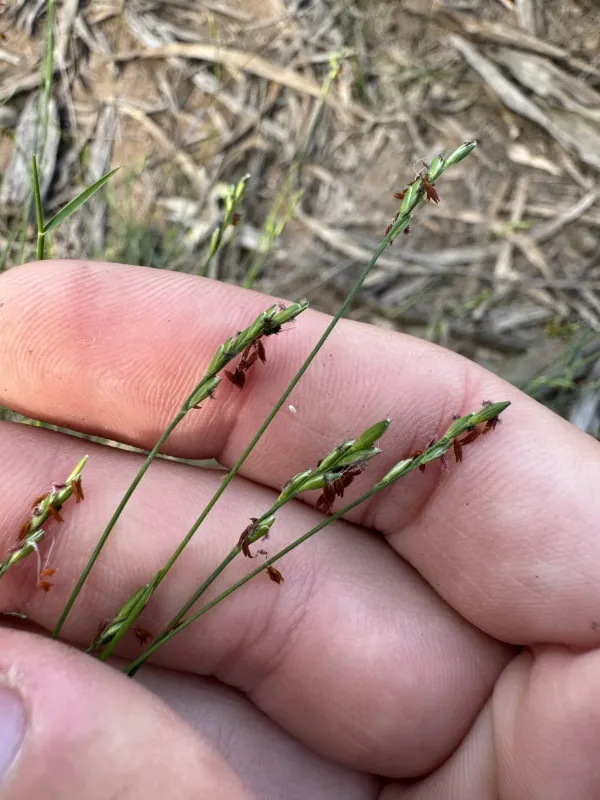
Description
Growing requirements
Ottochloa nodosa is a perennial grass species belonging to the Poaceae family. Native to South-East Asia, this plant is well-regarded for its adaptability to moist, shaded environments, distinguishing it from many other heliophilic forage grasses.
The species is primarily distributed across tropical regions, including Malaysia, Indonesia, and surrounding islands. It thrives in humid conditions and is often found in forest clearings, riverbanks, and areas where sunlight is filtered by canopy trees.
Botanically, the plant is characterized by its trailing stems that readily root at the nodes upon contact with moist soil. This creeping habit allows it to spread efficiently, creating a dense, protective ground cover that helps stabilize the soil surface.
In terms of growth requirements, Ottochloa nodosa prefers fertile, well-draining soils with a high organic matter content. While it is shade-tolerant, it requires consistent moisture throughout the growing season to maintain its high biomass production.
Commercially, it is highly valued as a high-quality forage crop for cattle and goats. Its ability to withstand frequent grazing and its nutritional profile make it an essential component of sustainable pasture management in tropical agroforestry systems.
Main diseases and pests
The primary threats to Ottochloa nodosa include various fungal pathogens that flourish in high-humidity environments. Leaf rusts are the most frequent concern, which can significantly hinder photosynthetic capacity and forage quality.
Insect pests, including leaf-eating caterpillars and certain sap-sucking bugs, can cause substantial damage to the foliage. These pests often target younger, more tender shoots during the early stages of the rainy season.
Effective management strategies include rotational grazing, which prevents over-accumulation of dead organic matter where fungal spores typically thrive. Maintaining optimal grass height is critical for plant health and resilience.
Chemical intervention is generally discouraged due to the immediate use of the grass for grazing livestock. Instead, biological control methods and site-specific management are preferred to maintain the long-term viability of the pasture.
Early detection of disease outbreaks and implementation of proper soil management techniques remain the most effective ways to mitigate threats and ensure the productivity of the crop.