
Painted fescue
Festuca picturata
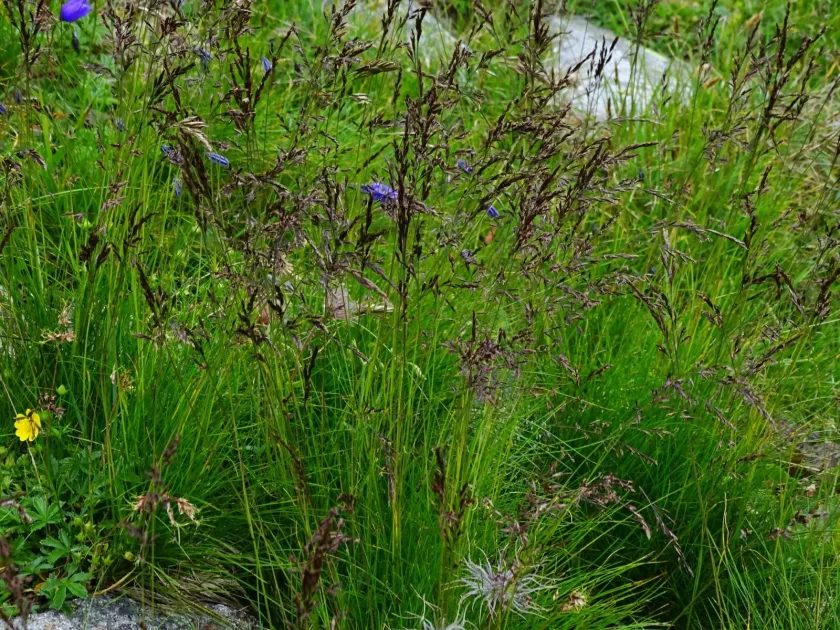
Description
Sowing dates
Painted fescue (Festuca picturata) is a perennial grass belonging to the Poaceae family. It is known for its ability to form dense sod, which provides excellent protection against soil erosion and helps the plant withstand moderate grazing pressure.
The seeds possess good germination rates under optimal conditions. In agricultural practice, early spring is the preferred sowing time, as it allows the seeds to take advantage of the moisture accumulated in the soil during the winter months.
When establishing a stand, a seeding rate of 12 to 18 kilograms per hectare is typically used. Row planting with a spacing of about 15 centimeters is recommended to ensure even distribution and uniform plant development across the field.
Proper depth of sowing is crucial for success. Seeds should be planted no deeper than 2 centimeters, as shallow sowing helps small seeds emerge quickly before they exhaust their internal energy reserves.
Growth is relatively slow in the first year of establishment. During this phase, it is essential to keep the field free of weeds, as young seedlings of Painted fescue are easily outcompeted for nutrients and space during their early development.
Growing requirements
This grass species thrives in open, sunny environments. Adequate light is vital for the plant to maintain its characteristic growth density and to ensure robust development of its root system throughout the growing season.
Regarding soil preferences, Painted fescue performs best in well-drained loamy or sandy soils. It does not tolerate prolonged waterlogging, as excessive moisture often leads to root rot and a thinning of the overall grass cover.
The plant is well-adapted to cooler climates, showing significant resistance to cold temperatures and frost. This hardiness makes it a reliable choice for mountainous and high-latitude agricultural regions where other species might struggle.
The ideal soil pH for this crop ranges from 5.5 to 7.0. While it can adapt to various soil types, maintaining the correct acidity levels is important for maximizing the availability of essential micronutrients needed for healthy growth.
Moderate fertilization, particularly with phosphorus and potassium, supports the long-term health of the stand. Nitrogen should be applied cautiously, focusing on periods of active vegetative growth to promote biomass production without compromising structural integrity.
Main diseases and pests
Fungal diseases, including various types of rust and powdery mildew, are the most frequent threats. These pathogens tend to flourish in humid conditions, potentially reducing the nutritional quality and total biomass yield of the forage.
Cereal flies are common pests that target the stems of the grass. Effective management involves monitoring the field regularly and utilizing preventative cultural practices, such as choosing the right time for harvest to disrupt pest life cycles.
Weed competition is primarily an issue during the stand establishment phase. Careful selection of site and pre-sowing soil preparation, including mechanical weeding, are effective strategies to prevent weed infestation in young crops.
Wireworms can occasionally affect root health, especially when the grass is sown on ground previously used for long-term pastures. Proper crop rotation and deep cultivation before planting are standard practices to minimize these risks.
Maintaining balanced nutrient levels in the soil is key to plant vigor. A healthy, well-fertilized stand is generally much more resilient to pest attacks and disease outbreaks compared to nutrient-deficient vegetation.