
Ottochloa gracillima
Ottochloa gracillima
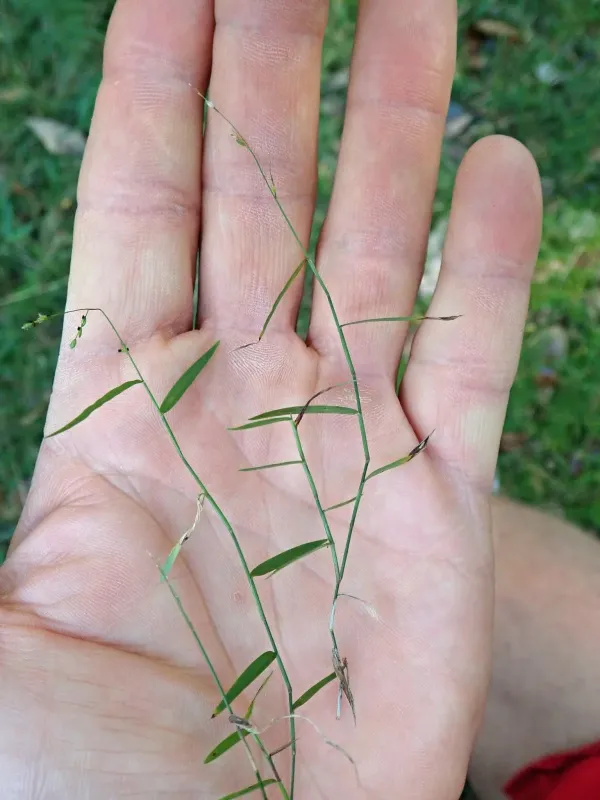
Description
Growing requirements
Ottochloa gracillima is a perennial grass species belonging to the Poaceae family. This plant is recognized for its slender, creeping stems that root at the nodes, allowing it to form dense mats. It is native to tropical regions, particularly in parts of Australia and Asia, where it thrives in warm, humid environments.
Regarding climate requirements, the plant excels in areas with high rainfall and consistent temperatures. It is known for its shade tolerance compared to other forage grasses, enabling it to persist in wooded or semi-shaded agricultural areas where other species might fail to establish properly.
The ideal soil conditions for this species include well-drained, fertile loams or clay-based soils that retain adequate moisture. It is particularly valued for its ability to stabilize soil, making it a functional choice for land reclamation and erosion control on vulnerable slopes or embankments.
In terms of agricultural management, Ottochloa gracillima requires minimal intervention once established. It responds well to nitrogen fertilization, which boosts biomass production. Rotational grazing is recommended to ensure the stand remains vigorous and to prevent overgrazing, which could weaken the root system.
The primary economic use of this plant is as a nutritious forage source for livestock. Its ability to regrow rapidly after grazing or mowing makes it an excellent candidate for sustainable pasture systems. Its presence in the field contributes significantly to both animal nutrition and the overall health of the soil structure.