
Downy oat-grass
Helictotrichon pubescens
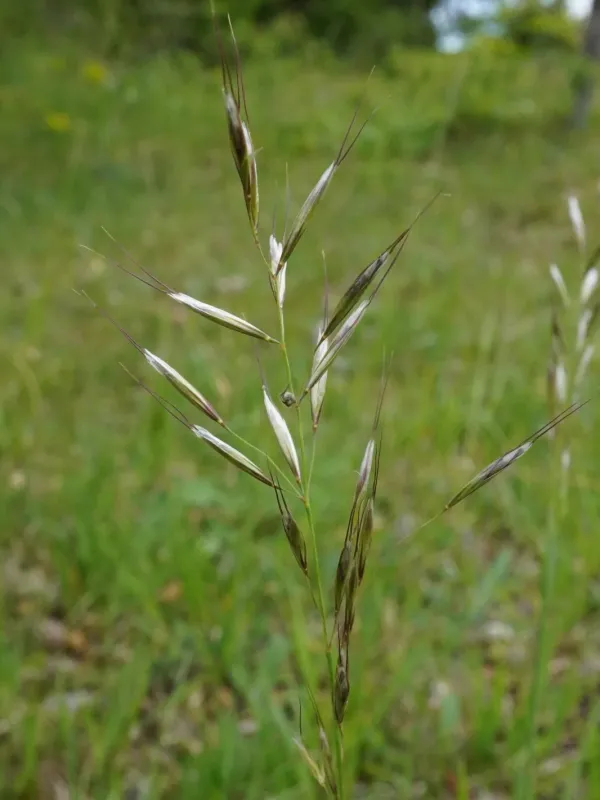
Description
Sowing dates
Downy oat-grass, known scientifically as Helictotrichon pubescens, is a valuable perennial forage grass belonging to the Poaceae family. It is typically sown in early spring, allowing the seeds to utilize soil moisture effectively during the germination process, which is critical for establishing a dense stand.
Autumn sowing is also a viable option, typically carried out in late August or early September to allow young plants to establish a root system before the onset of winter frost. Seeds should be sown at a shallow depth of 1–2 centimeters, as they require sufficient exposure to soil moisture and light for optimal emergence.
The seeding rate varies between 10 and 15 kilograms per hectare depending on the soil fertility and the method of sowing. When used in complex mixtures with other legumes and grasses, the rate should be adjusted downwards to avoid excessive competition during the vulnerable seedling stage of growth.
Rolling the soil immediately after sowing is highly recommended to improve soil-seed contact and prevent the drying of the topsoil layer. As the species has a relatively slow establishment phase, careful weed management is essential during the first season to ensure the grass is not overwhelmed by annual weeds.
Avoid sowing this grass under a cover crop, as it is sensitive to shading during its infancy. Providing ample access to sunlight from the outset encourages stronger tillering and a higher leaf-to-stem ratio, which directly influences the overall feed quality in future harvests.
Growing requirements
Downy oat-grass is well-adapted to temperate climates, showing excellent winter hardiness and the ability to withstand early spring cold snaps. It thrives in regions characterized by moderate moisture and cool, pleasant growing conditions, rather than in extreme heat or arid environments.
Regarding soil preferences, this species performs best on fertile, well-drained loamy or sandy loam soils. It is particularly noted for its intolerance to waterlogged conditions, making it unsuitable for heavy clay soils or low-lying areas where water might accumulate for extended periods.
The crop prefers soils with a neutral to slightly acidic pH. Lime application may be necessary on highly acidic soils to improve the plant's nutrient uptake efficiency. Proper drainage and soil aeration are key factors in maintaining a long-lived and productive stand of downy oat-grass.
This grass species is known for its ecological flexibility, performing well on slopes and hilly terrain where it serves a secondary role in preventing soil erosion. Its deep and fibrous root system helps stabilize the soil structure, making it a good choice for permanent pasture restoration projects.
Fertilization regimes should be balanced, with a focus on nitrogen applications to boost green mass production during the active growth period. Potassium and phosphorus are best applied in the autumn to prepare the plants for winter survival by promoting carbohydrate storage in the crown.
Yield
The yield of downy oat-grass is influenced by soil quality and management practices, typically ranging from 3 to 4.5 tonnes of dry hay per hectare under favorable conditions. Peak productivity is usually achieved during the second and third years after the initial sowing.
The nutritional quality of the forage is highly regarded, featuring a good balance of protein, sugars, and digestible fiber. This makes the grass an excellent component for silage and high-quality hay, providing consistent nutrition for dairy and beef cattle throughout the winter months.
For optimal yields, the stand should be managed through regular harvesting or rotational grazing. The first harvest should ideally take place at the onset of the flowering stage, which ensures that the protein content remains high before the plant begins to channel energy into seed development.
Subsequent cuts or regrowth (often referred to as aftermath) provide highly palatable forage that can be grazed directly or harvested for late-season fodder. Proper timing of the second cut encourages the plant to maintain vigorous growth and inhibits the invasion of less desirable weed species.
Seed yields for the species generally range from 300 to 600 kilograms per hectare. Harvesting seeds requires careful monitoring of maturity levels, as the seed heads are prone to shattering if left in the field past their peak ripeness stage, which can lead to significant harvest losses.
Main diseases and pests
The primary threats to the health of downy oat-grass are fungal diseases such as rusts, which thrive in humid and poorly ventilated conditions. Managing stand density and ensuring good air circulation through timely mowing are the most effective cultural methods for disease control.
Powdery mildew can occasionally impact the crop during prolonged damp weather, particularly if nitrogen levels are excessively high, which can result in overly lush and succulent growth. Balanced fertilization and the use of resistant seed varieties help mitigate these risks significantly.
Insect pests, including cereal aphids and various grass-feeding larvae, can cause damage to leaves and generative shoots. Integrated pest management, which includes encouraging natural predators and adjusting mowing cycles, is preferred over the use of harsh chemical treatments in forage areas.
Wireworms can be detrimental during the early stages of establishment, causing thinning of the stand. Deep plowing and crop rotation are standard agronomic practices used to minimize the populations of soil-borne larvae before planting this perennial grass in a new field.
To maximize resilience, Downy oat-grass is often sown in polyculture stands alongside clover or alfalfa. This diversity not only boosts the nutritional profile of the forage but also creates a more robust ecosystem that is less susceptible to major pest outbreaks than a pure monoculture stand.
Harvesting
The timing of the harvest is critical; for high-quality hay, the crop must be cut during the boot to early flowering stage. Delaying the harvest results in the accumulation of lignified tissues, which drastically reduces the palatability and overall digestibility of the forage for livestock.
Fast drying is essential to preserve the vitamins and the green color of the hay. In good weather conditions,tedding the swath helps achieve the target moisture content within a few days, allowing for efficient baling and storage in dry, well-ventilated barns.
Seed harvesting should be performed when the panicles have turned a dark color and seeds begin to disarticulate easily. The use of specialized combines with adjustable airflow settings is recommended to prevent blowing away the light, small seeds during the threshing process.
Once harvested, seed moisture content must be brought down to 13–14 percent through mechanical drying or active aeration. Proper storage conditions are vital to maintaining seed viability for future sowing, with seeds remaining productive for up to three years if kept cool and dry.
After the hay harvest, the stubble left in the field should be approximately 5–7 centimeters high to support quick regrowth. This practice protects the crown of the plant from damage and ensures the longevity of the grass stand for many years of continued agricultural use.