
Diplachne fusca
Diplachne fusca
Description
Growing requirements
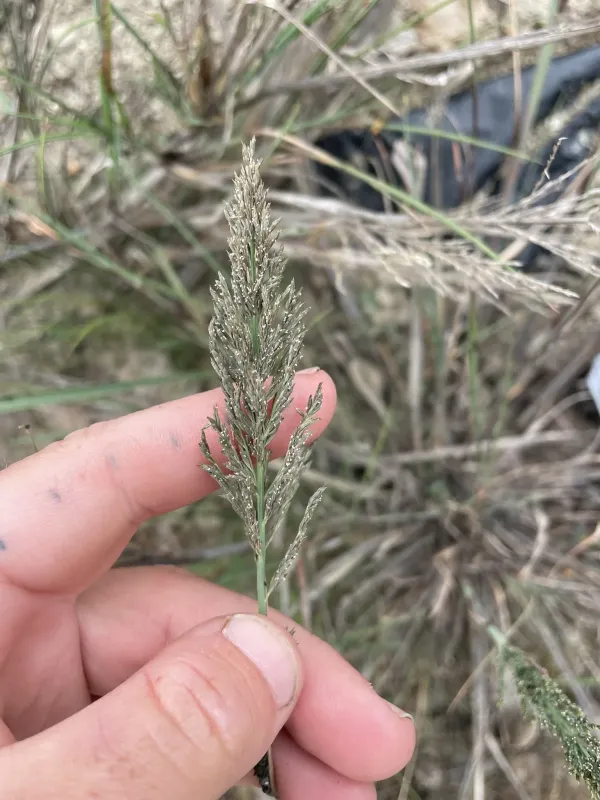
Diplachne fusca, often classified as Leptochloa fusca, is a perennial grass species belonging to the Poaceae family. This resilient plant is internationally recognized for its exceptional ability to thrive in highly saline, alkaline, and waterlogged soils where traditional crops fail.
Originating from the tropical and subtropical regions of Africa, Asia, and Australia, the plant has evolved to dominate in marshy and saline environments. Its natural habitat includes floodplains, riverbanks, and areas prone to periodic saltwater or brackish inundation.
Botanically, it features a robust root system and specialized tissues known as aerenchyma, which facilitate oxygen transport to the roots in anaerobic, waterlogged conditions. The plants can grow up to one meter tall, forming dense clumps that provide excellent soil cover.
Regarding climate and soil, Diplachne fusca prefers warm, sunny conditions and is sensitive to frost. It is essentially a halophyte, showing remarkable tolerance to soil salinity, often reducing soil salinity levels over time through a combination of biomass accumulation and improved soil structure.
In terms of agricultural use, it is primarily managed as a forage crop for livestock. It provides a reliable source of green matter in areas where pasture productivity is otherwise limited by environmental stress, making it an essential component of sustainable land management in arid zones.
Main diseases and pests
Common diseases affecting Diplachne fusca include fungal infections such as leaf rust and leaf spots. These are most prevalent during prolonged periods of high humidity and stagnant air, particularly in areas with poor drainage management.
Insect pests such as grasshoppers, armyworms, and stem borers may occasionally infest the crop. While these pests can cause defoliation, the grass's high regrowth potential often allows it to recover quickly without the need for intensive chemical interventions.
Effective management against threats relies on maintaining a healthy plant density and ensuring proper irrigation cycles. Avoiding water stagnation during periods of high temperature significantly reduces the risk of root rots and fungal proliferation.
Cultural control methods, such as periodic grazing or mowing, help to minimize the buildup of debris and reduce the micro-environment favorable for pests and pathogens. This also encourages fresh vegetative growth, which is generally more resistant to damage.
Integrated Pest Management (IPM) strategies are recommended to maintain the ecological balance within the pasture. Monitoring for early signs of outbreaks and utilizing beneficial insects or mechanical removal is preferred over broad-spectrum pesticide use.