
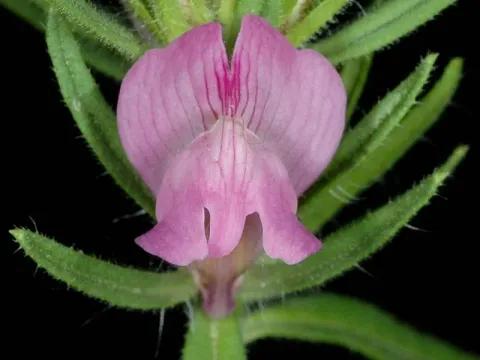
Misopates
Misopates
Misopates is commonly propagated through seeds, which are small and require careful handling during the sowing process. Starting the plants in containers indoors during early spring provides a head start and ensures a robust development before they are transplanted into the final garden location.
What the section contains


Misopates
When sowing, seeds should be placed on a moist, fine-textured seed-starting mix and barely covered with a light dusting of soil. They require light to germinate, so it is crucial not to bury them too deeply; using a spray bottle for initial watering helps keep the surface moist without washing the seeds away.
Maintaining a temperature range of 18 to 22 degrees Celsius is ideal for successful germination. Once the first true leaves appear, seedlings should be thinned or transplanted into individual cells to prevent overcrowding and ensure adequate airflow for each plant.
Acclimatization, or hardening off, is a vital step before moving the young plants to the outdoors. Gradually exposing them to outside temperatures and wind conditions over two weeks helps them adjust and prevents transplant shock once they are set in the ground.
Choosing the right time for outdoor planting—after the risk of frost has passed—is essential. The plant thrives in locations that receive full sun, which promotes healthy branching and a more abundant production of flowers throughout the growing season.
Belonging to the Plantaginaceae family, Misopates prefers well-drained soil with a neutral to slightly acidic pH. Avoiding heavy clay soils is recommended, as they can retain excessive moisture and lead to root asphyxiation, which the plant is sensitive to.
Watering should be managed carefully; while the plant is moderately drought-tolerant once established, it requires regular moisture to maintain its display of blooms. Allowing the surface of the soil to dry out slightly between waterings is often beneficial for plant health.
For optimal growth and vitality, applying a balanced, slow-release fertilizer at the beginning of the season provides the necessary nutrients. Excessive nitrogen should be avoided, as it often stimulates excessive foliage growth at the expense of flower production.
Maintaining good air circulation around the plants is essential for keeping them free from fungal issues. Planting them at appropriate intervals according to the specific variety ensures that the foliage remains dry and receives sufficient sunlight on all sides.
Regular maintenance practices, such as deadheading spent blooms, encourage the plant to divert energy toward new flower buds. This simple task not only improves the aesthetics of the garden bed but also prolongs the overall flowering period of the Misopates specimens.
Fungal diseases, particularly powdery mildew, are the most common threats to Misopates. These thrive in humid conditions with poor air movement, resulting in a white, dusty growth on the leaves that can weaken the plant if left unchecked.
Root rot is a significant risk, especially in soil that does not drain properly. To mitigate this risk, gardeners should focus on improving soil structure with organic amendments or sand and avoid overwatering, especially during cooler, cloudy periods.
Aphids often target the tender new growth at the tips of the stems, where they congregate and suck the sap. Monitoring the plants regularly for these pests allows for early intervention, which may include the use of insecticidal soap or biological control agents.
Spider mites can become problematic during hot, dry spells. These tiny pests cause yellow stippling on leaves and the presence of fine webbing. Increasing humidity or utilizing specific miticides when necessary can help manage their populations effectively.
Maintaining a clean garden environment is the best defense against soil-borne pathogens. Removing plant debris at the end of the season and practicing proper crop rotation prevents the buildup of pests and diseases that specifically target plants in the Plantaginaceae family.