
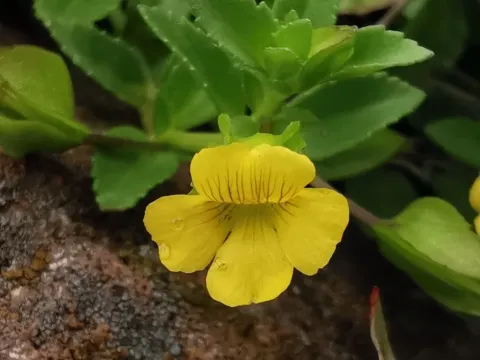
Mecardonia
Mecardonia
Sowing seeds of Mecardonia typically begins in late winter or early spring, specifically during February or March. Starting seeds indoors allows the plants to establish a healthy root system before being transitioned into outdoor garden beds or decorative containers.
What the section contains


Mecardonia
Because the seeds are extremely small, they should be surface-sown on a moist, fine-textured seed-starting mix. It is crucial not to bury the seeds, as they require light for germination, and covering the tray with a clear dome helps maintain the necessary high humidity.
The ideal temperature for germination ranges between +20°C and +22°C. Once sprouts emerge, they must be moved to a location with bright, indirect light to ensure sturdy growth and prevent the seedlings from becoming leggy or weak during their early development.
Pricking out the seedlings into individual containers is performed once the first set of true leaves develops. Mecardonia tolerates this process well, provided the delicate root structure is handled with care to prevent excessive shock during the transplanting phase.
Final transplanting into permanent outdoor locations should occur only after the danger of frost has passed. Typically, late May is the preferred timing, as the soil has warmed sufficiently to support active root growth and foliage development.
Mecardonia is a genus within the Plantaginaceae family, widely recognized for its excellent ground-covering capabilities and prolific blooming. Originally native to tropical and subtropical regions of the Americas, it thrives in warm, temperate garden environments.
This plant demands full sun exposure to perform at its best. While it may survive in partial shade, such conditions often result in sparse flowering and weaker, elongated stems, significantly reducing its aesthetic value in landscape design.
Soil conditions must be well-drained and relatively fertile. While Mecardonia is adaptable to various soil types, it performs best in loose, organic-rich substrates that allow for consistent moisture without becoming waterlogged, which can trigger root decay.
Consistent moisture is key; the soil should never be allowed to dry out completely, yet it must remain aerated. In containers, proper drainage holes are essential to prevent the accumulation of excess water, which the plant is highly sensitive to.
Regular fertilization with a balanced, water-soluble fertilizer throughout the growing season encourages continuous blooming. High-phosphorus formulations are particularly beneficial for promoting the development of the dense clusters of flowers that define this species.
High humidity and poor air circulation are the primary drivers of fungal issues, such as powdery mildew or root rot. Ensuring that plants are spaced correctly and positioned in areas with good airflow is the most effective preventative measure.
Pests like aphids and spider mites can become problematic, particularly during hot and dry spells. These sap-sucking insects target the new growth and flower buds, causing the foliage to yellow, curl, or become distorted over time.
Regular monitoring of the undersides of the leaves is critical for early detection of pest infestations. If detected, treating the plants with appropriate insecticidal soaps or systemic pesticides can effectively manage the population and save the display.
Fungal outbreaks should be addressed with copper-based or systemic fungicides as directed by product labels. Removing any dead or infected plant matter from the area helps limit the spread of fungal spores and maintains the health of the entire planting.
Ultimately, a robust maintenance schedule, including diligent weeding and appropriate irrigation management, provides the best defense against common pests and diseases, ensuring Mecardonia remains a vibrant and healthy addition to the garden.