
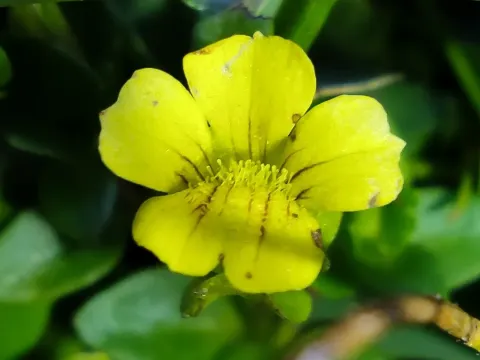
Mecardonia
Mecardonia Ruiz et Pav.
Sowing Mecardonia seeds should take place in late winter or early spring. Given their tiny size, the seeds must be sown on the surface of the growing medium without covering them, as they require light to germinate effectively.
What the section contains


Mecardonia
Maintain a constant temperature of +20°C to +22°C and cover the containers with clear plastic to retain humidity. Germination usually takes about two to three weeks, depending on the ambient light and consistent moisture levels.
Once seedlings develop their first set of true leaves, they should be pricked out into individual pots. Providing adequate light at this stage is crucial to prevent the seedlings from becoming leggy and weak.
Transplanting into the garden or final containers must wait until all danger of frost has passed. Mecardonia is highly sensitive to cold, so hardening off the plants before planting them outdoors is a recommended practice.
Space the plants approximately 25–30 cm apart to allow for proper airflow. As the plant is a vigorous grower, it will eventually fill in the gaps, creating a lush, flowering carpet across the ground or container edge.
Mecardonia belongs to the Plantaginaceae family and is native to the tropical and subtropical regions of the Americas. It is widely prized for its ability to produce continuous blooms throughout the summer season.
This crop thrives in full sun exposure. While it can tolerate partial shade, maximum flowering is achieved when the plant receives at least six to eight hours of direct sunlight every day.
Well-drained, fertile soil is essential for success. Heavy clay soils that retain too much moisture can lead to root failure, so adding organic matter or perlite to the soil mix is highly recommended to improve drainage.
Regular watering is necessary to keep the soil consistently moist but never waterlogged. During peak summer heat, daily checks may be needed, especially for plants grown in hanging baskets or containers.
Fertilization with a balanced, water-soluble fertilizer every two weeks will promote robust growth and heavy flowering. Avoid fertilizers with excessive nitrogen, which can lead to lush foliage at the expense of blossoms.
The most common threat to Mecardonia is root rot, caused by poor drainage and excessive watering. Ensuring that pots have drainage holes and that garden soil is loose is the best preventative strategy.
Powdery mildew can occur in humid environments with poor air circulation. To prevent this, avoid overhead watering and ensure the plant is located in an area with good air movement.
Aphids and spider mites are potential pests, especially during prolonged dry spells. Inspecting the undersides of the leaves periodically can help identify infestations early before they spread across the entire planting.
If pests are present, mild insecticidal soaps or neem oil can be used to manage the population without harming the plant. Applying these treatments in the evening helps prevent leaf burn from the sun.
Overall, maintaining the plant's health through proper spacing and regular care significantly reduces susceptibility to most common horticultural diseases and pest attacks.