
Nuttall's snapdragon
Antirrhinum nuttallianum
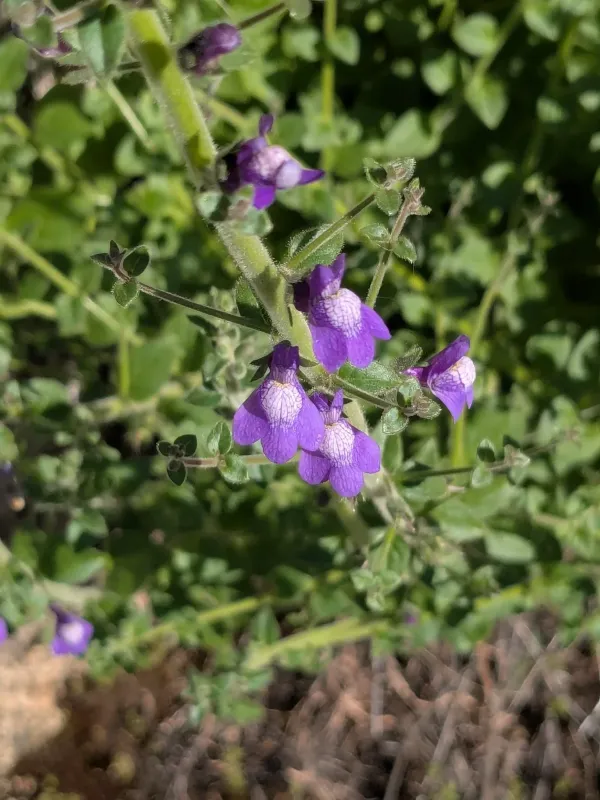
Description
Sowing dates
Nuttall's snapdragon (Antirrhinum nuttallianum) is a charming herbaceous plant belonging to the Plantaginaceae family. Originally found in North America, it is appreciated for its delicate flowers and ability to thrive in various Mediterranean-like climates.
The sowing process begins by preparing a well-draining, fine-textured seed starter mix. Since the seeds are extremely small, they should be surface-sown and gently pressed into the moist soil, ensuring they remain exposed to light, which is crucial for germination.
Germination typically occurs within two to three weeks under stable temperatures ranging from 18°C to 20°C. Maintaining high humidity using a transparent cover is recommended until the first true leaves emerge and the root system begins to establish.
Once the seedlings develop several sets of leaves, they are ready for transplanting into individual pots. This hardening-off period is essential to help the plants acclimate to the outdoor environment before final placement.
When transplanting into the garden, ensure a spacing of at least 25-30 cm between plants. This distance allows for optimal airflow and reduces the risk of fungal pathogens developing due to crowded conditions.
Growing requirements
Nuttall's snapdragon requires a sunny location with full exposure to direct sunlight. While it may survive in partial shade, optimal flowering and healthy, dense foliage growth are best achieved in areas receiving at least 6-8 hours of direct sun.
The soil must be fertile, light, and exceptionally well-draining. This plant is highly sensitive to waterlogged conditions, which can quickly lead to root rot; thus, amending clay-heavy soils with organic matter or grit is highly advised.
While the plant shows moderate drought tolerance once established, regular irrigation is necessary during the flowering phase. Watering should be consistent, allowing the top layer of soil to dry out slightly before the next hydration cycle.
Fertilization with a balanced, low-nitrogen liquid fertilizer every few weeks during the growing season encourages prolonged blooming. Excessive nitrogen will promote lush green foliage at the expense of floral development.
Regular maintenance involves removing spent blooms, a process known as deadheading. This practice directs the plant's energy toward creating new buds rather than seed production, ensuring a more vibrant and longer-lasting display.
Main diseases and pests
Powdery mildew is the most common fungal disease, appearing as a white, dusty coating on the leaves during periods of high humidity or poor ventilation. Increasing plant spacing and improving air circulation are effective preventative measures.
Rust, characterized by brown or orange pustules on the underside of leaves, can severely damage the plant's vitality. Infected tissues should be removed immediately, and appropriate fungicides should be applied if the infestation persists.
Aphids are frequent pests that congregate on tender shoot tips and flower buds. They can be managed by gently washing the plant with a mild insecticidal soap or introducing natural predators like ladybugs into the garden ecosystem.
Spider mites may become problematic during hot, dry weather. Monitoring the underside of leaves for fine webbing is critical, and maintaining adequate moisture levels helps deter these small pests from settling in.
Root and crown rots are usually caused by overwatering or soil that remains soggy for too long. If plants show sudden wilting, check the soil drainage immediately and ensure the root zone is not sitting in standing water.