
Misopates calycinum
Misopates calycinum
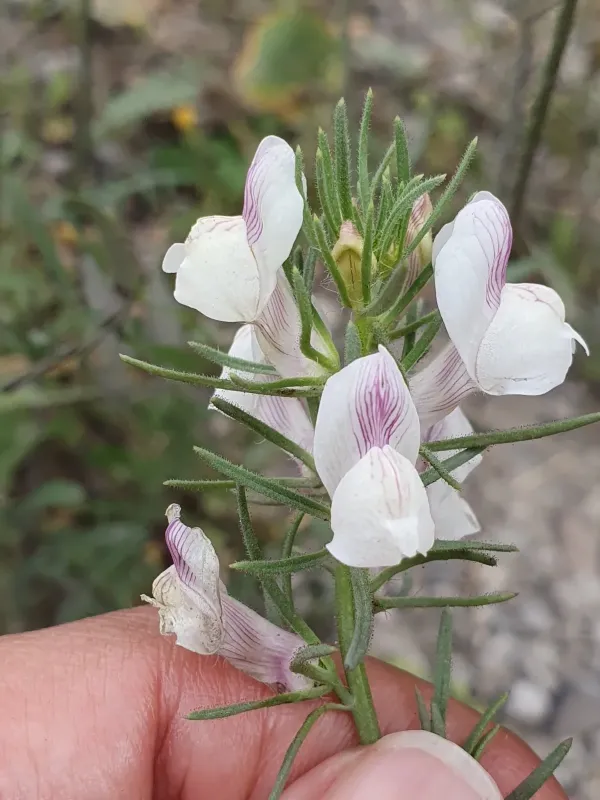
Description
Sowing dates
Misopates calycinum is a herbaceous annual plant belonging to the Plantaginaceae family. The sowing process typically begins in early spring when the soil temperature consistently reaches 10-12 degrees Celsius to ensure successful germination.
For optimal results, growers often prefer starting seeds indoors in seedling trays about 6 to 8 weeks before the last frost date. This practice allows for a more controlled environment during the delicate early growth stages.
The seeds should be sown shallowly, ideally covered by only a fine dusting of substrate, as they require some exposure to light to trigger germination. Constant moisture should be maintained using a misting system until the seedlings emerge.
Upon germination, provide sufficient light to prevent the seedlings from becoming spindly. Gradual acclimation to outdoor conditions is necessary before transplanting to their permanent location in the garden.
When the plants have developed two sets of true leaves, they should be pricked out into individual pots. This transition phase strengthens the root system and prepares the young plants for environmental challenges in the open field.
Growing requirements
This plant thrives in full sun, which is essential for developing healthy, sturdy stems and an abundance of vibrant flowers. While it can tolerate partial shade, insufficient light will significantly diminish its blooming capacity.
The ideal soil for this species is sandy-loam, well-draining, and rich in organic matter with a neutral to slightly acidic pH. Poorly draining or waterlogged soils are detrimental and will likely cause root rot.
Irrigation should be managed carefully; while the plant is relatively resilient once established, it requires consistent moisture during the active flowering season. Overwatering should be avoided at all costs to protect the crown of the plant.
Fertilization should be moderate, utilizing a balanced, slow-release fertilizer during the early growth stages. Excessive nitrogen will promote lush foliage but inhibit the production of blossoms, which is the main decorative goal.
Maintaining proper spacing, roughly 20 to 30 centimeters between plants, is crucial to ensure adequate airflow. Good ventilation is a primary defense against various humidity-related fungal issues that can plague this species.
Main diseases and pests
The primary threats to Misopates calycinum involve fungal pathogens, particularly root rots triggered by excessive soil moisture and poor site drainage. Regular observation is necessary to detect early signs of discoloration or wilting.
Aphids and spider mites are the most common pests affecting this crop. These insects suck the sap from tender shoots, leading to stunted growth, leaf curling, and an overall decline in the plant's health and aesthetic appeal.
Effective pest management involves integrated strategies, such as using horticultural oils or systemic insecticides only when necessary. Early intervention is key to preventing widespread infestations throughout the planting bed.
Sanitation practices, including the removal of infected plant debris and controlling weeds that host common pests, are vital to keeping the crop healthy throughout the growing season.
- Monitoring for early signs of infestation on the underside of leaves.
- Ensuring proper soil drainage before planting.
- Using preventative biological fungicides in high-humidity periods.
- Removing and destroying severely infested individual plants.
Harvesting
Harvesting for Misopates calycinum generally refers to the collection of seeds for future propagation. Seed capsules should be harvested once they transition from green to brown and begin to dry out naturally on the stalk.
Care must be taken during the seed collection process to harvest capsules before they shatter and disperse their seeds. Placing a paper bag over the ripening seed heads can help capture seeds as they mature.
For decorative use in floral arrangements, the stems are harvested when the lower buds on the inflorescence have opened. This provides the best balance between visual impact and vase life.
After the flowering season concludes, the plant material should be cleared from the soil to maintain garden hygiene. This practice reduces the risk of overwintering pathogens that might affect the next crop cycle.
Collected seeds must be stored in a cool, dark, and dry environment within breathable containers to maintain their viability until the following season, ensuring a consistent supply for future planting.