
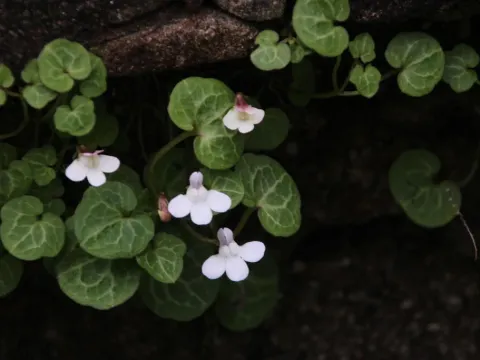
Kenilworth ivy
Cymbalaria
Kenilworth ivy (Latin: Cymbalaria muralis) is a perennial herbaceous plant belonging to the Plantaginaceae family. Originating from the Mediterranean region, it has adapted to thrive in crevices, walls, and rocky terrains, making it a unique ornamental candidate.
What the section contains

Kenilworth ivy
Botanically, the plant features delicate, trailing stems that can extend significantly. Its leaves are small, alternate, and typically lobed, creating a lush, textured appearance that softens harsh masonry or rocky landscapes.
This species performs best in partial shade, as it is sensitive to intense, direct afternoon heat. In its natural habitat, it favors cool, moist environments, often found naturally along northern-facing cliffs and stone architecture.
Regarding soil requirements, it is relatively adaptable but prefers well-drained, gritty substrates. It excels in containers or rock gardens where the roots have cool, stable conditions, even if the available soil volume is relatively minimal.
The primary horticultural use of Kenilworth ivy is in landscape design, specifically for rock gardens, stone walls, and as an ornamental trailing plant in hanging baskets. It adds a romantic, antique aesthetic to modern and traditional garden settings alike.
The primary concern for Kenilworth ivy health is overwatering or poor drainage, which frequently leads to fungal root rot. Ensuring that the substrate remains moist but never waterlogged is essential for the longevity of the plant.
Slugs and snails are the most common pests affecting these plantings. During damp seasons, these pests can quickly defoliate large patches of the ivy, necessitating the use of barriers or molluscicides to maintain decorative appeal.
In greenhouse or indoor conditions, plants may be susceptible to spider mites if the humidity is too low. Consistent airflow and appropriate watering schedules are key to preventing these minor infestations from escalating.
Mildew and other foliar fungi can develop if the plant is grown in areas with poor ventilation or if the leaves remain wet for extended periods. Pruning can help improve air circulation and discourage such outbreaks.
Effective management involves monitoring the plants regularly during the growing season. By keeping the root zone from staying soggy and addressing pest activity early, growers can ensure the health and vigor of this charming species.