
Kickxia judaica
Kickxia judaica
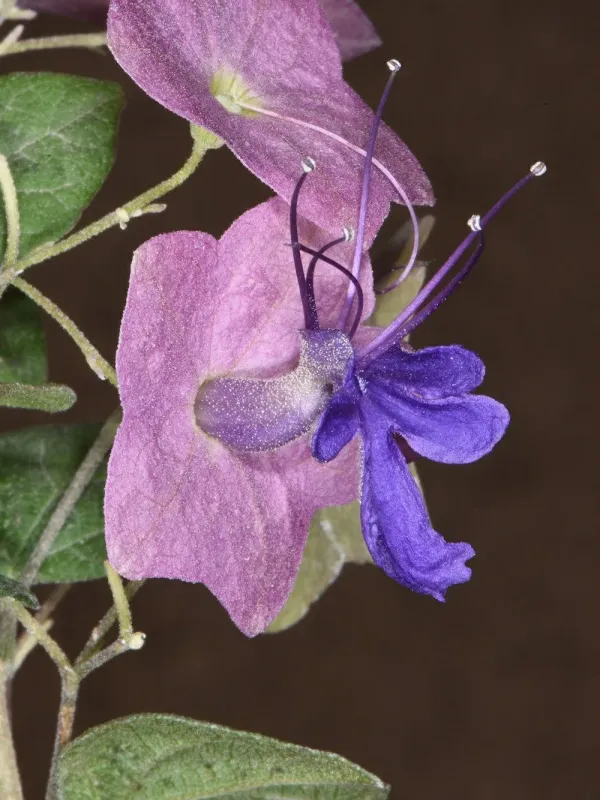
Description
Sowing dates
Kickxia judaica is not considered a traditional agricultural crop and therefore lacks established commercial sowing protocols.
In its native habitat, propagation occurs through natural seed dispersal following the maturation period in spring and early summer.
For research or botanical collection purposes, seeds should be sown in a well-draining, sandy substrate during late winter.
The seeds are exceptionally fine and require surface sowing or minimal covering to ensure exposure to light, which is critical for germination.
Successful germination typically requires stable, moderate temperatures that mirror the transition from late winter to early spring.
Growing requirements
The species is a member of the Plantaginaceae family, having been historically categorized within the Scrophulariaceae family.
Kickxia judaica is a xerophytic plant, natively adapted to arid environments, rocky outcrops, and limestone-rich soils.
Its natural range is centered in the Middle East, where it thrives in environments characterized by high solar intensity and low annual rainfall.
The plant requires soils with excellent drainage properties to thrive, as it is highly susceptible to root damage in waterlogged conditions.
It prefers alkaline or neutral soil conditions and shows remarkable resilience to the fluctuating temperatures of desert environments.
Main diseases and pests
As a wild-growing species, Kickxia judaica does not suffer from common agricultural pests or systemic crop diseases.
The primary threat in non-native or controlled environments is the development of fungal pathogens caused by improper watering practices.
Root rot is the most common issue encountered when the plant is grown in overly humid conditions or heavy, poorly aerated soil.
Maintaining a dry, well-ventilated environment is essential to preventing most biological threats that could compromise the plant's integrity.
There are no documented major infestations by insects that pose a threat to the long-term survival of local populations in the wild.