
Kickxia commutata
Kickxia commutata
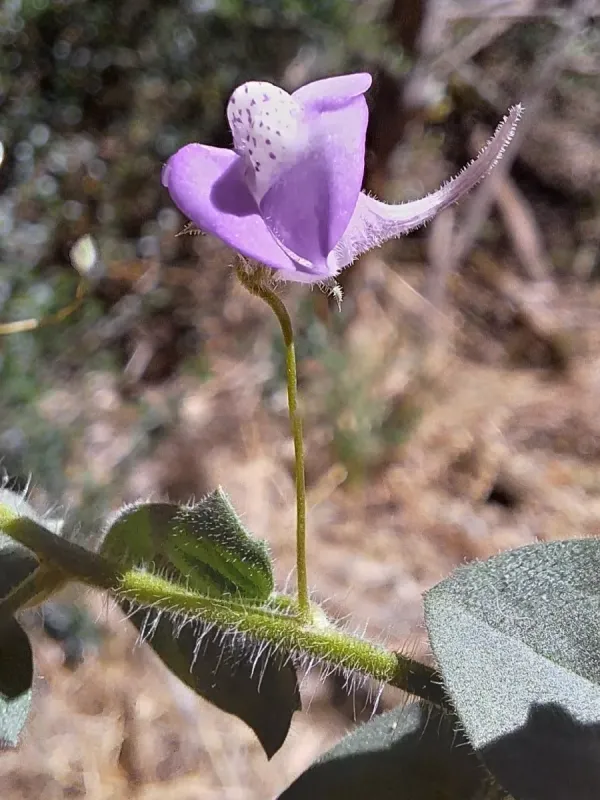
Description
Sowing dates
Kickxia commutata, commonly known as a species within the Plantaginaceae family, follows a seasonal growth pattern dictated by the Mediterranean climate. Germination is primarily triggered by autumn rains or the cool conditions of early spring.
In a natural habitat, the plant relies on self-seeding to propagate. The seeds are characterized by their ability to remain dormant in the soil for several years, waiting for the specific moisture and temperature thresholds to be met.
The lifecycle is relatively short, starting from germination in the cool season and ending with seed production at the transition to the summer heat. This strategy allows the plant to avoid the harsh summer drought.
Field management often involves monitoring for early germination in the spring to prevent the plant from establishing a foothold. Since it is not a cultivated crop, its presence in agricultural fields is considered incidental.
Seed dispersal occurs through mechanical disturbance, wind, or water, often resulting in the colonization of disturbed soils or fallow lands where competitive pressure is low.
Growing requirements
Kickxia commutata thrives in open, sunny environments where it receives full exposure to sunlight. It is a highly adaptable species that occupies niches often ignored by more demanding flora.
The plant demonstrates a strong preference for well-drained, sandy, or rocky soils. Its root system is adapted to penetrate compacted or shallow ground, allowing it to extract water efficiently in arid conditions.
It prefers neutral to slightly alkaline pH levels in the soil. Excessive moisture is one of the few limiting factors, as the species is highly susceptible to root decay when subjected to waterlogged conditions.
Temperature management is not required for the plant itself, as it is naturally suited to its endemic environment. However, understanding its temperature sensitivity helps in identifying the peak growth periods in local ecosystems.
The species does not require intensive fertilization. In fact, high nitrogen availability often favors the growth of competitive grass species, which effectively outcompete Kickxia commutata for space and light.
Main diseases and pests
As a wild plant species, Kickxia commutata exhibits a high degree of resilience against many common agricultural pests. It possesses a secondary chemical profile that acts as a natural deterrent to many herbivores.
Fungal diseases, such as powdery mildew, may affect the plant during periods of high humidity or poor air circulation. These infections rarely cause mass mortality but can significantly reduce the vitality of a population.
Invasive weed management strategies are typically employed if the plant encroaches on agricultural land. Mechanical tilling is the most effective approach to disrupt the development of young plants before they reach maturity.
Competition from vigorous annual or perennial crops is the primary natural threat to the species. Planting dense, fast-growing cover crops is an effective biological control method to suppress its development.
If chemical control is necessary, broad-spectrum herbicides are effective, although their use should be balanced with the ecological requirements of the main agricultural crop being protected.