


SKU #860
·
1 183 views
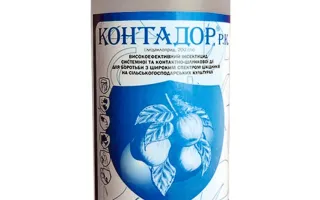
Kondor
Insecticides, Acaricides
Sinohem Ukraine, LLCUser rating
1 vote0% positive reviews
No ratings yet — be the first.
Last Processing Date, Days
20, 1
Method of Application
Spraying by vegetation
Form of the preparation
Water-soluble concentrate
Drug Consumption
Up to 0.5 L/ha
Prices in stores
from10.58 €per 1 l
pack from 0.39 € per 4 ml
4 offers from 2 stores
Store offers · 4 from 2 stores
Prices are updated on loadLoading offers…
Available at: Урожай · GreenToro
Aggregator catalog: prices are collected automatically from store websites, normalized by AI and converted at the current exchange rate. Before ordering, confirm the price and availability on the store's website. This block is not indexed by search engines — the data is loaded after the page opens.
About product

A powerful systemic tool to manage both pests and weeds in a single application.
Last Processing Date, Days
20, 1
Method of Application
Spraying by vegetation
Form of the preparation
Water-soluble concentrate
Drug Consumption
Up to 0.5 L/ha
Description
Professional crop protection: operating with «Kondor»
For those managing potato and fodder beet fields, finding a solution that tackles both insect pests and persistent weeds is the holy grail of efficiency. «Kondor» by «Sinochem Ukraine» provides exactly this: a systemic approach that handles everything from the Colorado potato beetle to field bindweed and wild mustard in a single pass.
Technical efficiency in the field
From an operator's perspective, the formulation is key. As a water-soluble concentrate, «Kondor» is easy to handle; it mixes readily in the spray tank without leaving residues that clog nozzles, which significantly reduces maintenance downtime. The systemic action means the active ingredients, including imidacloprid, are absorbed into the plant tissues, offering protection even to areas that might have been missed during the spraying process.
- Application Rate: Using up to 0.5 l/ha delivers reliable control over weeds like white goosefoot, pigweed, and wild radish, as well as providing effective pest suppression.
- Ease of Use: Designed for spray application during the vegetation period, it fits perfectly into standard crop management schedules.
- Reliability: By combining neonicotinoids with specific herbicide components, the product ensures that your crops remain competitive throughout the critical growth stages.
When working with this product, pay close attention to the pre-harvest interval (up to 20 days), which is vital for compliance and crop quality. «Kondor» allows you to reduce the number of trips across the field, saving not only the product but also equipment hours and fuel. For farmers choosing «Sinochem Ukraine» products, this means a professional, systematic approach to weed and pest management that keeps the fields clean and the yield protected.
Composition
Active ingredients
- Imidacloprid инсектицид Неоникотиноиды
- Triflusulfuron-methyl гербицид
Application
Used on crops
Against weeds
Annual broadleaf weeds
Annual mercury
Barnyard grass
Black-bindweed
Black nightshade
Cleavers
Common chickweed
Common fumitory
Common hemp-nettle
Common poppy
Common ragweed
Field forget-me-not
Field pansy
Field pennycress
Ivy-leaved speedwell
Knotweed
Lamiaceae
Nipplewort
Perennial dicots
Perennial sow thistle
Persian speedwell
Prostrate knotweed
Redroot pigweed
Redshank
Resistant to 2,4-D
Roundleaf fluellin
Saltbush
Scarlet pimpernel
Scentless mayweed
Shepherd's purse
Stachys
Sunflower
Sun spurge
Urticaceae
Velvetleaf
Wild mustard
Wild radish
Yellow mignonette
Specifications hover over for a hint about the specification
|
Last Processing Date, Days
Last Processing Date, Days
Number of days from processing to harvest cleanup |
20, 1 |
|---|---|
|
Method of Application
Method of Application
Seed treatment — treatment of seeds before sowing. Soil treatment — application of pesticides to soil, for example, in greenhouses. Seed treatment — a preparation used for pre-sowing treatment of seeds of various crops to protect seedlings from plant diseases and pests. In some c... |
|
| Form of the preparation | |
|
Drug Consumption
Drug Consumption
Mass of the preparation per unit of treated area. It is customary to express the dosage rate in kilograms per hectare. The dosage rate is most often given in terms of 100% active ingredient, although sometimes it is calculated based on the preparation in the form of application w... |
Up to 0.5 L/ha |
|
Type of Action
Type of Action
Insecticides are divided into contact, systemic, stomach, and fumigants based on their mode of entry into the organism. Contact insecticides affect insects upon contact with any part of their body, penetrating into their organism through the integument. They are used against pest... |
|
| Catalog | Catalog → Insecticides, Acaricides |
| Manufacturer | Sinohem Ukraine, LLC |
| Country | Ukraine |
Not yet комментариев. Be the first!
Alternatives
Insecticides, Acaricides · similar preparations

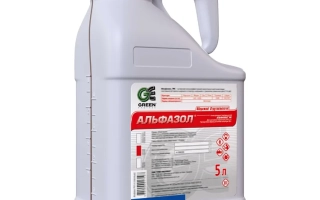
Alfazol
Nanjing No.1 Pesticide Factory of Red Sun Group Co., Ltd.
02.6K 6 offers
8.54 €per 1 l ≈ 440 ₴


See also
Often considered together with this product




Recently viewed
Products you’ve viewed on this site
Reviews · 0