
Kickxia petrana
Kickxia petrana
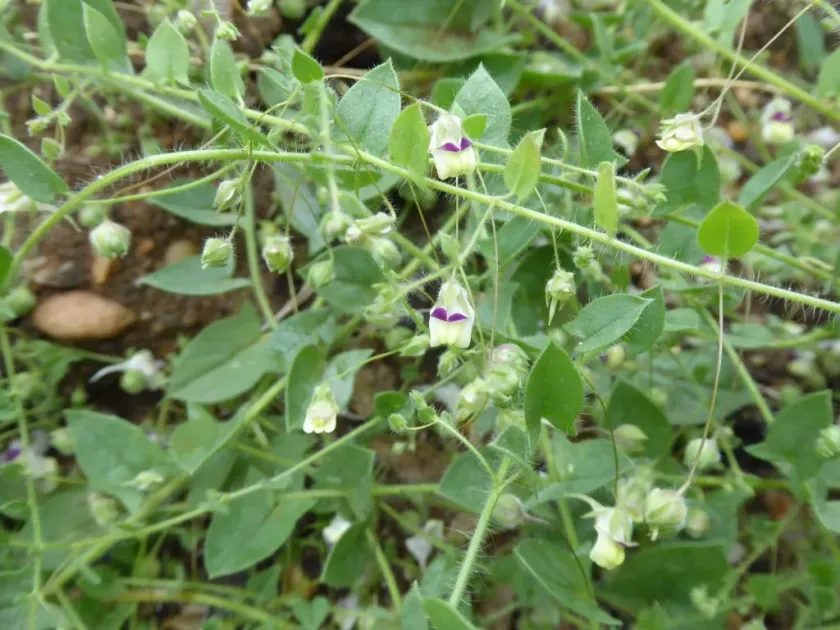
Description
Sowing dates
The optimal sowing time for Kickxia petrana is determined by the specific climatic zone, ensuring that the soil has reached the necessary thermal threshold.
Spring planting is highly recommended once the risk of ground frost has completely passed, allowing the seedlings to establish a strong root system.
Sowing depth should remain shallow, typically around one centimeter, to facilitate optimal light penetration and gas exchange for germinating seeds.
Precise seed spacing is vital to reduce competition for nutrients and sunlight, which directly influences the overall density and health of the crop.
Controlled environment settings allow for early-season planting, providing a head start on the growing cycle before transplanting to open fields.
Growing requirements
As a member of the Plantaginaceae family, Kickxia petrana flourishes in well-drained, sandy loam soils that possess a neutral chemical profile.
The plant demonstrates significant tolerance to arid conditions but performs best under consistent, moderate moisture levels throughout the growing phase.
Full sun exposure is an absolute necessity for this crop to achieve maximum photosynthetic efficiency and high-quality biomass production.
Soil aeration is critical for preventing root suffocation, especially in clay-heavy soils where drainage might be restricted during heavy rains.
Balanced fertilization practices, focusing on primary nutrients during active growth, are essential for maintaining yield potential and plant vigor.
Main diseases and pests
Root rot and fungal infections caused by water stagnation are the most significant threats to the overall stability and longevity of the plant population.
Common agricultural pests like aphids and spider mites can cause significant damage to the plant tissue if not controlled through proactive scouting.
Integrated pest management strategies are recommended to keep damage below the economic threshold while preserving the surrounding ecosystem.
Effective weed control is a necessary measure to ensure the plant does not compete with invasive species that might harbor dangerous pathogens.
Regular field assessments and timely application of targeted interventions are key components of protecting the crop from various environmental stressors.