
Japanese plantain
Plantago japonica
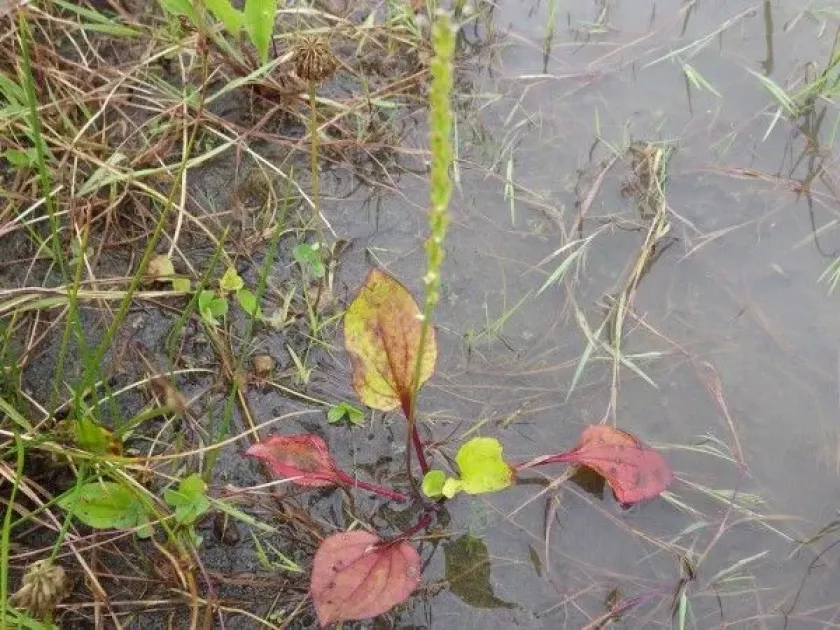
Description
Sowing dates
Sowing of Japanese plantain is primarily carried out in the spring once soil temperatures reach a consistent 10–12 degrees Celsius. In commercial production, both direct field seeding and transplanting methods are utilized to ensure uniform crop establishment.
The seeds have a high germination rate but require proper seedbed preparation to optimize contact with the soil. A shallow planting depth of approximately 0.5 to 1 centimeter is recommended to allow for rapid seedling emergence and sufficient light access.
Transplanting seedlings grown in greenhouses allows for a more controlled start, ensuring a higher survival rate during the early vegetative stages. Seedlings are typically transplanted once the risk of spring frost has completely passed.
Row spacing is generally maintained at 45–60 centimeters to facilitate mechanical weed control and allow for adequate airflow between plants. Optimizing plant density is crucial to suppress weed competition during the early growth phase of the crop.
Immediately following sowing, the soil surface should be lightly compacted to improve moisture retention. This step is essential in ensuring that the soil maintains a capillary connection, facilitating consistent moisture delivery to the developing seeds.
Growing requirements
Japanese plantain belongs to the Plantaginaceae family and is a perennial herb well-adapted to moist environments. Its robust root system allows it to persist through varying environmental conditions, contributing to its durability in agricultural settings.
The species prefers full sun or light shade, with full sunlight exposure generally maximizing the concentration of active medicinal compounds in the leaves. Soil requirements include fertile, well-draining loams or sandy-loam soils with a neutral pH level.
Proper aeration is critical for root health, and regular inter-row cultivation is advised to prevent soil compaction and promote efficient nutrient uptake. Nitrogen-rich fertilization during the initial growth cycle significantly boosts biomass production.
Water management is vital, as the plant thrives in moist soil but does not tolerate prolonged waterlogging. Implementing effective irrigation systems ensures consistent productivity throughout the dry summer months, preventing premature senescence of the foliage.
The plant demonstrates significant winter hardiness, making it suitable for a wide range of climatic zones. Its ability to adapt to temperature fluctuations allows for stable cultivation and reliable harvesting cycles across multiple years of production.
Yield
Yield efficiency in Japanese plantain is achieved through multiple harvests of the leaf rosettes throughout the growing season. Under optimal management, farmers can expect up to three harvests, depending on the local climate and length of the growing period.
The average dry matter yield ranges from 15 to 25 quintals per hectare when standard agricultural practices are followed. Ensuring the purity of the harvested leaves is paramount for meeting quality standards required by the pharmaceutical industry.
Harvesting is best timed to coincide with the flowering stage, as this is when the concentration of beneficial phytochemicals reaches its peak. Following harvest, the material should be processed immediately to prevent oxidation and loss of quality.
- Drying temperatures should be maintained between 40–50 degrees Celsius.
- Use well-ventilated drying facilities to preserve the natural green color of the leaves.
- Standardize the drying process to ensure consistent moisture levels in the final product.
The consistent demand for medicinal plant materials makes Japanese plantain a profitable crop. Proper care ensures the longevity of the plantation, with most fields remaining productive for four to five years before requiring replanting.
Main diseases and pests
The main threat to Japanese plantain involves fungal infections such as powdery mildew, which often occur in high-humidity conditions. Maintaining proper spacing and air circulation within the field is the most effective preventative measure against these diseases.
Root rot caused by soil-borne pathogens can be an issue in poorly drained fields. Crop rotation is essential to prevent the buildup of soil pathogens and to maintain the long-term health and vigor of the planting area over consecutive seasons.
Leaf-eating insects, including various beetle species and caterpillars, can cause significant damage to the foliage. Biological control agents are preferred over synthetic pesticides to preserve the quality and chemical profile of the plantain leaves.
Weed management is particularly critical during the early stages of establishment, as young plants are easily outcompeted by aggressive weeds. Manual weeding or regulated mechanical tillage is required to ensure the crop has adequate access to light and nutrients.
Regular phytosanitary monitoring is recommended throughout the growing season to identify potential pest or disease outbreaks early. Proactive management helps reduce the need for intensive interventions and supports the harvest of high-quality medicinal products.