
Kickxia floribunda
Kickxia floribunda
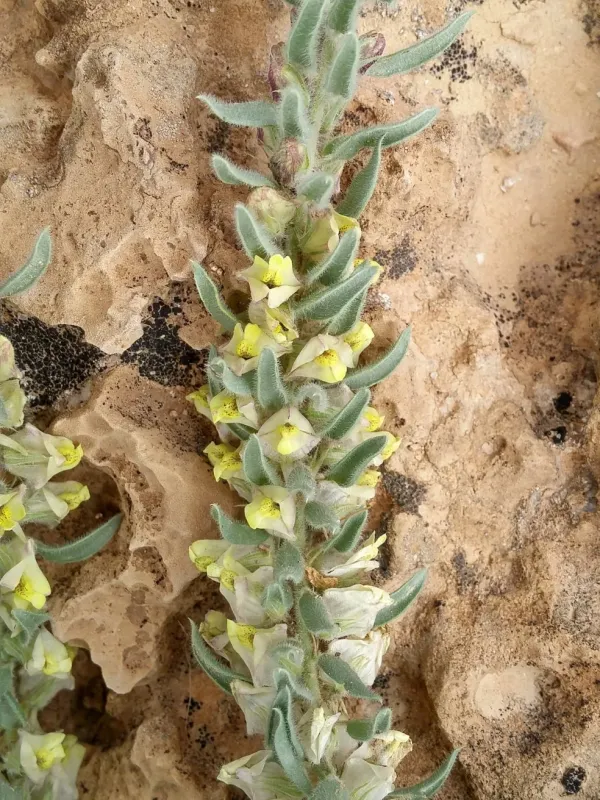
Description
Sowing dates
Kickxia floribunda, belonging to the Plantaginaceae family, is a distinct plant species often studied for its botanical properties and ecological adaptation.
The sowing process is best executed in spring when the soil temperature consistently reaches levels that encourage rapid seed germination and root establishment.
Seeds of this species require light for optimal germination, which necessitates shallow planting depths during the field establishment phase.
Soil preparation should involve achieving a fine tilth, which helps in maintaining the uniform moisture levels required for the delicate seedlings to emerge.
Proper spacing is crucial to prevent resource competition among individual plants, ensuring that each specimen develops a strong and healthy structure.
Growing requirements
This crop thrives in sunny locations with well-drained soil, as it is sensitive to conditions where moisture accumulates around the root zone.
It prefers a slightly acidic to neutral soil pH, which allows for optimal nutrient availability and supports vigorous vegetative growth throughout the season.
While the plant shows resilience to moderate drought, irrigation should be carefully managed during the peak flowering stage to sustain abundant bloom production.
Soil aeration is a vital factor in cultivation, as the root system benefits significantly from high levels of oxygen within the soil profile.
Fertilization regimes should prioritize balanced nutrient inputs, avoiding excessive nitrogen that might encourage foliage at the expense of floral display.
Main diseases and pests
Typical threats to Kickxia floribunda include infestations by sucking insects like aphids, which can severely weaken the plant during its active growth phases.
Excessive humidity or poor air circulation can lead to the development of fungal pathogens, specifically those causing root rot or foliar spots.
Implementing a strict weed control program is essential, as neighboring weeds often act as reservoirs for various crop pests and viral infections.
Monitoring the field for signs of early chlorosis or wilting is a key practice for maintaining the overall health and productivity of the crop.
- Regular inspection of the undersides of leaves.
- Removal of plant debris to prevent overwintering of pathogens.
- Strategic irrigation management to avoid surface water saturation.