
Plagiothecium
Plagiothecium
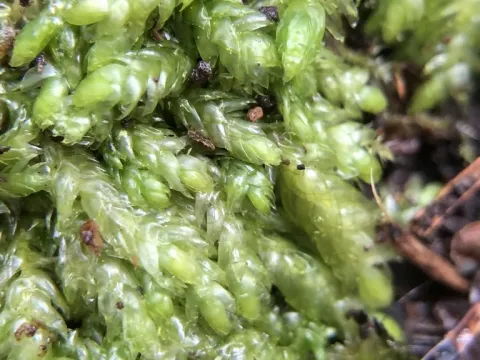
Plagiothecium is a genus of mosses belonging to the family Plagiotheciaceae. These plants are characterized by their compressed, often glossy shoots that form prostrate mats, making them a common feature in forest ecosystems worldwide.
What the section contains
 Plagiothecium cavifolium
Plagiothecium cavifolium
Plagiothecium cavifolium
 Plagiothecium curvifolium
Plagiothecium curvifolium
Plagiothecium curvifolium
 Plagiothecium denticulatum
Plagiothecium denticulatum
Plagiothecium denticulatum
 Plagiothecium laetum
Plagiothecium laetum
Plagiothecium laetum
 Plagiothecium latebricola
Plagiothecium latebricola
Plagiothecium latebricola
 Plagiothecium nemorale
Plagiothecium nemorale
Plagiothecium nemorale
 Plagiothecium piliferum
Plagiothecium piliferum
Plagiothecium piliferum
 Plagiothecium platyphyllum
Plagiothecium platyphyllum
Plagiothecium platyphyllum
 Plagiothecium ruthei
Plagiothecium ruthei
Plagiothecium ruthei
 Plagiothecium succulentum
Plagiothecium succulentum
Plagiothecium succulentum
 Wavy-leaved cotton moss
Plagiothecium undulatum
Wavy-leaved cotton moss
Plagiothecium undulatum
Plagiothecium
The genus typically thrives in shaded, humid environments. It is frequently found growing on decaying wood, soil banks, or rocky surfaces in temperate and tropical regions where constant moisture is available throughout the year.
Regarding climatic requirements, Plagiothecium demands high atmospheric humidity and protection from direct sunlight. Excessive heat and low humidity levels are detrimental to the plant's physiological processes and overall appearance.
Soil and substrate conditions should prioritize moisture retention and slight acidity. In cultivation, it is essential to use a substrate that mimics forest floor conditions, avoiding compaction while ensuring the substrate remains consistently damp.
Economically and horticulturally, Plagiothecium is primarily valued in the hobbyist market for terrariums and paludariums. Its aesthetic properties, such as the flat, leafy texture, make it a perfect candidate for recreating naturalistic woodland scenes.
The primary threats to Plagiothecium populations in the wild are habitat destruction and climate change. As forestry practices alter moisture levels in woodlands, the delicate ecological balance required for these mosses is compromised.
In artificial cultivation, the most significant risk comes from fungal pathogens. Poor airflow and stagnant water can lead to mold growth, which quickly smothers the delicate moss mats and leads to tissue decay.
While insect pests are rarely a critical issue in nature, in enclosed terrariums, small invertebrates can cause localized damage to the shoots, requiring careful management of the ecosystem balance to maintain healthy growth.
Competitive stress from aggressive weeds or faster-growing liverworts can displace Plagiothecium. Therefore, starting with clean, sterilized materials is a key step in successful propagation and long-term maintenance.
Chemical sensitivity is a hallmark of this genus. The use of fertilizers or pesticides often results in rapid decline, as bryophytes absorb nutrients and potential toxins directly through their leaves, which have no waxy cuticle for protection.