
Plagiothecium ruthei
Plagiothecium ruthei
Description
Growing requirements
Plagiothecium ruthei is a species of moss belonging to the family Plagiotheciaceae. Unlike standard commercial agricultural crops, this plant is a bryophyte that naturally occurs in damp forest environments, playing a key role in microhabitat regulation.
The species primarily inhabits moist, shaded areas, showing a strong preference for decaying logs, rotting wood, and damp substrates at the base of trees. It thrives in high-humidity environments where it helps maintain soil moisture levels and serves as a nursery for microorganisms.
Geographically, it is distributed across temperate and northern regions of Eurasia, where it is often found in stable forest ecosystems. Its survival is closely linked to the preservation of old-growth forests, which provide the consistent shade and humidity it requires.
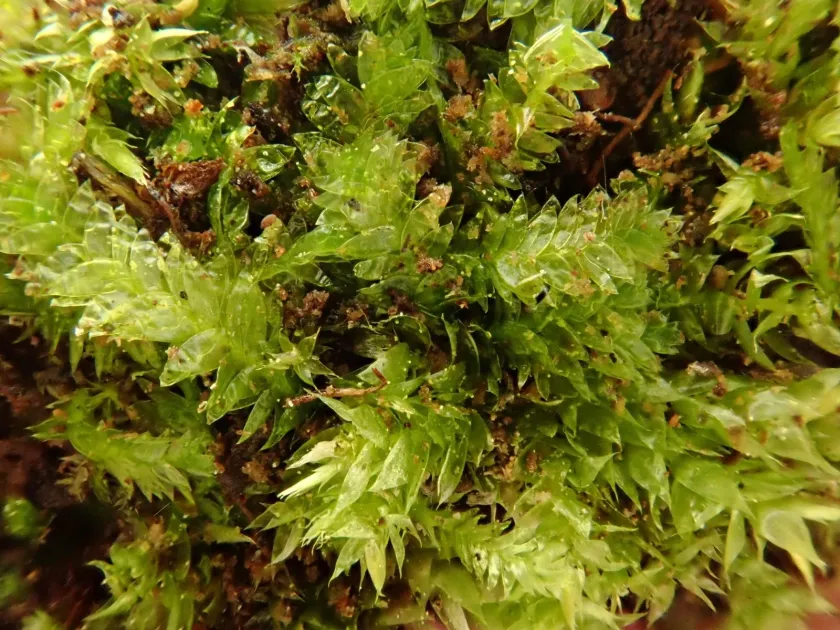
Botanically, this moss exhibits flattened, glossy, and light-green shoots. The leaves are typically symmetrical, allowing the plant to absorb moisture from the air efficiently. It grows in dense mats, which are highly effective at preventing erosion in protected forest patches.
In terms of land management and forestry, this species serves as a biological indicator. Its presence is often used by ecologists to assess the humidity levels and overall health of forest plots, helping to determine the effectiveness of conservation efforts in protected areas.