
Plagiothecium succulentum
Plagiothecium succulentum
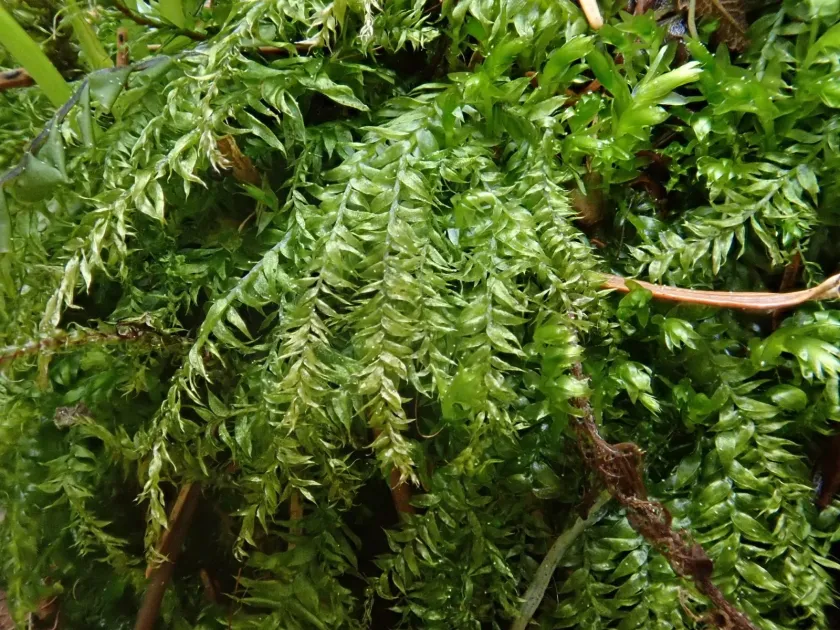
Description
Growing requirements
Plagiothecium succulentum is a species of feather moss belonging to the Plagiotheciaceae family. While not a typical field crop, it is a highly valued species in the niche horticultural industry, specifically for indoor vertical gardening and complex terrarium setups.
This moss requires specific microclimatic conditions to thrive, primarily high air humidity levels typically ranging from 75% to 95%. It is a shade-loving organism that naturally inhabits humid, shaded forest floors, rotting wood, and damp rock faces.
For cultivation, the substrate must be slightly acidic and retain moisture without compacting. A blend of peat moss, pine bark, and activated charcoal provides the necessary drainage and acidity levels required for robust growth and lush foliage.
The ideal temperature range for this species is between 15 and 20 degrees Celsius. Maintaining consistent temperatures is crucial, as significant fluctuations can trigger physiological stress and lead to a rapid decline in the health of the moss mat.
Light intensity should be kept low to moderate, ensuring that the moss receives filtered or indirect light only. Excessive exposure to high-intensity light can cause bleaching, where the vibrant green pigment fades to a yellow or brownish hue.
Main diseases and pests
The most significant threat to Plagiothecium succulentum in cultivation is fungal rot caused by inadequate ventilation and waterlogging. When moisture remains trapped within the dense mat, it creates a perfect environment for destructive mold colonies.
Sciarid flies, or fungus gnats, present a major risk to the root-like structures of the moss. Their larvae feed on the organic matter and the moss tissues, weakening the overall integrity of the colony and facilitating bacterial entry.
High mineral content in the irrigation water is detrimental to the plant. Over time, salt accumulation on the moss surfaces disrupts the osmotic balance of the cells, causing stunted growth and premature tissue necrosis.
Pathogenic fungi can rapidly spread through the moss patches if the environmental parameters deviate from the optimum. Proactive monitoring and the removal of dying patches are necessary to prevent the total collapse of the moss carpet.
A lack of proper air circulation often exacerbates pest and disease issues. Implementing small fans or ensuring passive ventilation in containers is vital to maintain the hygiene of the moss colony and prevent stagnation.