
Plagiothecium laetum
Plagiothecium laetum
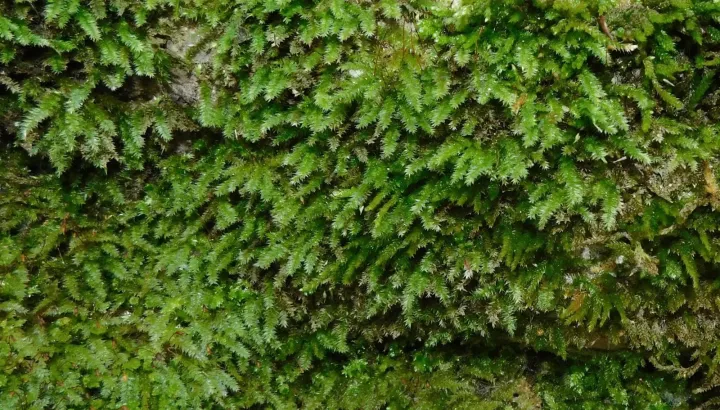
Description
Growing requirements
Plagiothecium laetum is a moss species belonging to the Plagiotheciaceae family. It is typically found in temperate forest ecosystems where it plays a key role in maintaining microclimate stability and moisture levels.
The species is known for its ability to colonize damp, shaded substrates, including decaying logs, rock crevices, and damp forest floor. It thrives in conditions that provide consistent humidity without waterlogging.
Environmental requirements for this moss include a cool climate with low light intensity. It is extremely sensitive to direct sunlight, which causes rapid desiccation of the gametophytes and subsequent chlorosis.
The optimal substrate for Plagiothecium laetum is an acidic, organic-rich medium. In artificial settings, professionals often recommend a mix of shredded pine bark, peat, and organic forest litter to mimic its natural habitat.
Agronomic management of this species focuses exclusively on moisture control. Using a fine mist system is the preferred method for irrigation to ensure that the moss surface remains hydrated without disturbing its delicate structure.
Main diseases and pests
Desiccation remains the primary threat to the survival of Plagiothecium laetum. Lack of adequate moisture leads to the loss of cell turgor and rapid degradation of the moss colony structure.
Fungal pathogens and mold growth are significant risks in environments with poor air circulation and excessive standing water, which can destroy the health of the moss mat quickly.
Pollution and chemical exposure, such as fertilizers or synthetic pesticides, are detrimental to this bryophyte. It is highly sensitive to soil salinity and mineral content in the water used for misting.
Competition from more aggressive vascular plants or other mosses can lead to the displacement of Plagiothecium laetum, especially if the environmental conditions shift toward more fertile or brighter settings.
Physical disturbance by small soil fauna or excessive trampling can easily damage the thin carpet of the moss, hindering its regeneration and making it susceptible to secondary infections.