
Isopterygiopsis pulchella
Isopterygiopsis pulchella
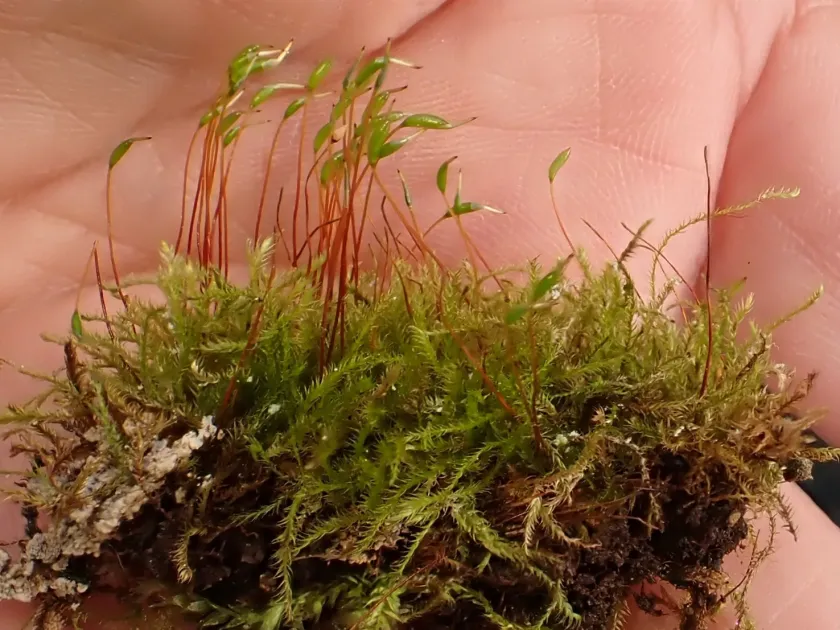
Description
Growing requirements
Isopterygiopsis pulchella is a bryophyte belonging to the Plagiotheciaceae family. This species is widely distributed across the temperate and arctic regions of the Northern Hemisphere, thriving in habitats where humidity levels are consistently high and stable.
The plant exhibits a distinct creeping growth habit, forming dense, glossy, and light-green cushions. Its stems are slender, and the leaves are arranged in a way that provides a refined, elegant appearance, which is highly valued by bryologists and horticultural enthusiasts.
Regarding its ecological requirements, this species favors shaded environments, such as deep woods, rocky crevices, or damp decaying logs. It is particularly sensitive to direct sunlight, which causes rapid water loss and can lead to the desiccation of the entire colony.
Cultivation practices involve creating a microclimate that mimics its natural forest floor habitat. This includes regular misting, the use of organic, acidic substrates, and ensuring constant, though not excessive, moisture levels within the growing medium.
Its хозяйственное use is primarily centered on specialized horticulture, including the creation of terrariums and moss gardens. Because of its aesthetic properties, it is often chosen for indoor landscaping projects that focus on creating high-detail, lush green textures.
Main diseases and pests
The primary threats to this species include rapid environmental changes and atmospheric pollution. Acid rain and urban smog can severely impair the moss's ability to absorb water and nutrients, leading to a decline in its health and overall growth rate.
In captive environments, the main threat is fungal infestation resulting from poor ventilation. Stagnant air combined with high moisture promotes the growth of mold, which can rapidly suffocate the fine leaves of the moss colony if not properly managed.