
Plagiothecium platyphyllum
Plagiothecium platyphyllum
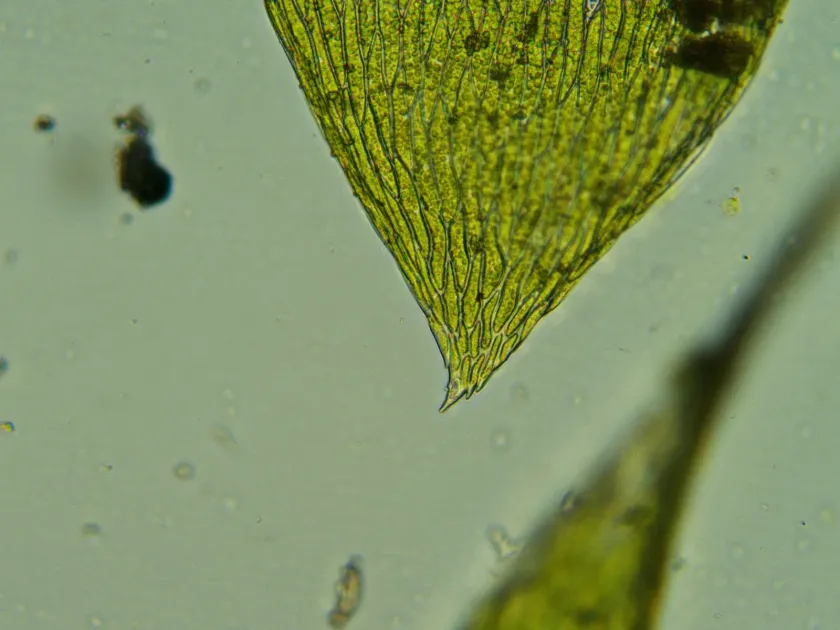
Description
Growing requirements
Plagiothecium platyphyllum is a species of moss within the family Plagiotheciaceae. While not classified as an agricultural crop, it plays a critical role in the maintenance of forest floor humidity and the stability of riparian micro-ecosystems.
Botanically, it is defined by its prostrate, branching stems and leaves arranged in a flattened plane. The colonies often display a characteristic glossy sheen, ranging in color from pale green to yellowish-green depending on light exposure and moisture content.
The species requires specialized habitats characterized by high moisture availability. It is frequently observed growing on damp, shaded soil, decaying logs, or rocky substrates near streams where humidity remains stable throughout the year.
Strict environmental requirements include protection from direct sunlight and temperature fluctuations. Being a poikilohydric organism, its physiological processes are directly linked to the water content of its environment, making it an excellent bioindicator of healthy forest ecosystems.
From an ecological perspective, this moss aids in moisture retention for the substrate, preventing erosion and providing a sheltered habitat for various micro-organisms and soil invertebrates that contribute to soil health and nutrient cycling.
Main diseases and pests
Major threats to this species include habitat degradation caused by deforestation and the alteration of natural water tables. When the canopy is removed, the resulting changes in light and humidity cause rapid desiccation and death of the moss colonies.
Industrial pollution and the accumulation of pollutants in riparian zones also pose significant risks to its survival. While it does not encounter traditional agricultural pests, the species is vulnerable to competitive displacement by invasive opportunistic weeds if its native microclimate is disturbed.