
Plagiothecium latebricola
Plagiothecium latebricola
Description
Growing requirements
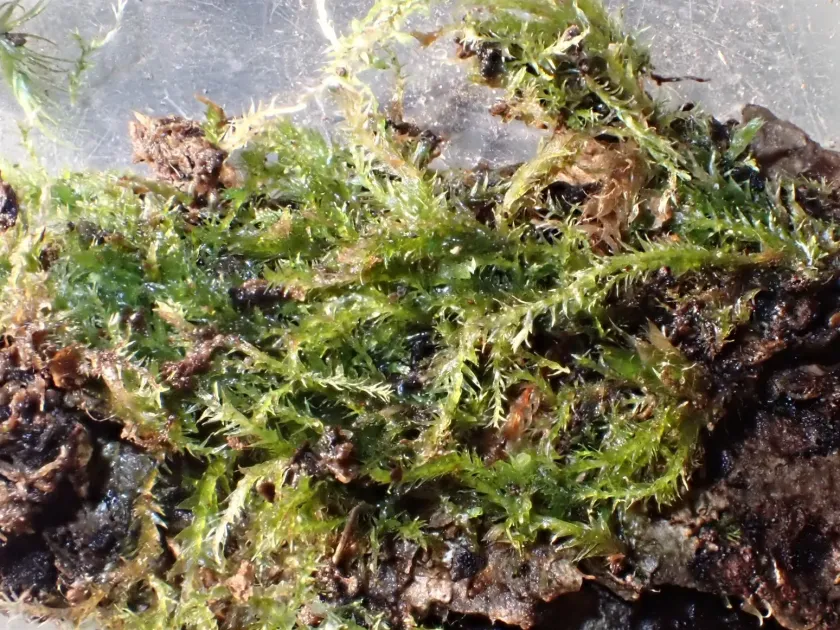
Plagiothecium latebricola is a species of moss within the Plagiotheciaceae family. It is not an agricultural crop but a significant component of the woodland biodiversity.
The plant typically thrives on decaying wood, stumps, or damp soil in shady forest environments. It is highly specialized for moisture-rich habitats where evaporation rates remain low.
Its botanical structure consists of small, flattened shoots with distichous leaves. This morphological adaptation allows the moss to maximize light absorption in the understory of dense forests.
The species is native to European woodlands with temperate climates. It serves as an indicator species for old-growth forest conditions, requiring consistent environmental stability.
Due to its specific ecological requirements, the species does not tolerate human-managed agricultural environments, as it requires the complex humidity levels provided only by established forests.
Main diseases and pests
The primary threat to Plagiothecium latebricola is the loss of natural habitat due to forest drainage and intensive silviculture. The removal of decaying timber destroys the substrate necessary for its growth.
Air and soil pollution significantly impact the health of this bryophyte, as it lacks a protective cuticle and absorbs contaminants directly from the environment.
Climate change poses a long-term risk, as altered rainfall patterns and increasing temperatures threaten the high-humidity niches that this species depends on for reproduction.
There are no pests or diseases that are considered threats in an agricultural context, as the species is not cultivated. Natural fungal or insect activity in the forest is part of its ecological cycle.
Conservation efforts are essential to protect the remaining populations. Protecting the integrity of the forest floor is the only viable method to ensure the survival of this rare moss.