
Plagiothecium cavifolium
Plagiothecium cavifolium
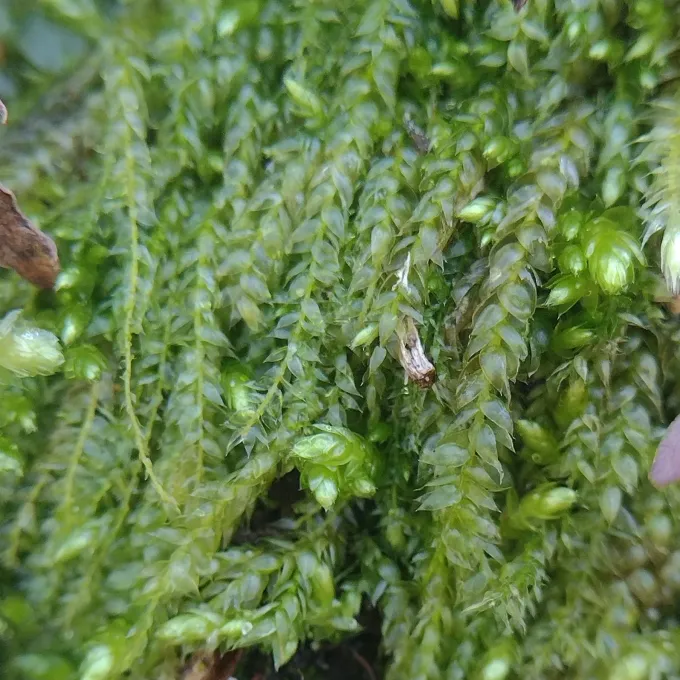
Description
Growing requirements
Plagiothecium cavifolium is a species belonging to the Plagiotheciaceae family. This bryophyte is a significant component of forest understories, acting as an essential contributor to forest floor humidity and soil stability.
The plant thrives in shaded, moist environments where the canopy provides consistent protection from direct sunlight. It is typically found in mature forests with a stable microclimate, where relative humidity remains high throughout the year.
Substrate requirements for this species are specific. It prefers humus-rich forest soils, decayed logs, or damp rocky crevices that provide a consistent supply of nutrients and moderate moisture retention properties.
Temperature stability is crucial for the survival of this moss. It is highly sensitive to desiccation, and its physiological processes are optimized for cool, stable conditions rather than extreme heat or frost.
While not a traditional agricultural crop, it is of great value in scientific research and ecological restoration projects. Its cultivation requires specialized conditions, such as greenhouse environments with controlled misting and low light intensity.
Main diseases and pests
The primary threat to the stability of Plagiothecium cavifolium populations is deforestation and the resulting loss of suitable forest cover. The removal of the canopy alters the microclimate, making it impossible for the moss to survive.
Atmospheric pollution and acid rain significantly damage the delicate cell structure of the moss. As a bryophyte, it lacks protective barriers against toxic substances, serving as a sensitive bioindicator for regional environmental health.
Drainage projects and changes in local hydrological cycles pose a major risk. Even minor reductions in site moisture can trigger rapid dehydration and loss of viability in established moss colonies.
Competition from more aggressive, nitrogen-loving plant species, driven by excess fertilization of adjacent lands, often displaces this moss from its natural habitats. This shift limits the available area for its growth.
Conservation efforts must focus on maintaining the integrity of forest fragments and protecting the quality of the forest floor. Effective monitoring of humidity and pollution levels is necessary for preserving this species.