
Plagiothecium nemorale
Plagiothecium nemorale
Description
Growing requirements
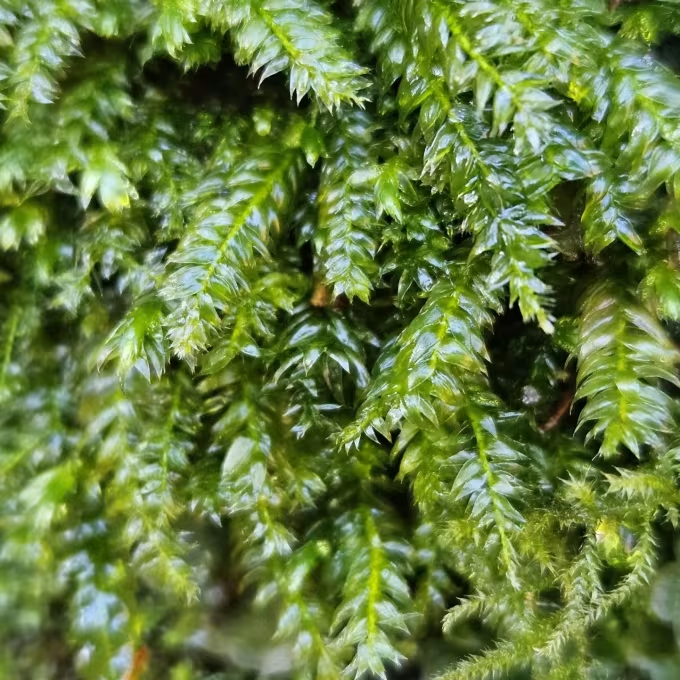
Plagiothecium nemorale is a perennial moss belonging to the Plagiotheciaceae family. This species is widely recognized for its dense, glossy green mats, which thrive primarily in cool, shaded forest environments where humidity remains consistently high throughout the year.
In terms of ecological requirements, the plant prefers loamy or humus-rich substrates that retain moisture without becoming waterlogged. It is an ideal specimen for terrariums, paludariums, or shaded garden patches where direct sunlight is naturally obstructed.
The distribution of Plagiothecium nemorale spans across the temperate regions of the Northern Hemisphere. It typically grows on decayed logs, tree bases, and moist rocky surfaces, indicating its preference for substrates with high organic content.
Cultivation requires careful monitoring of environmental factors. Temperatures should be kept between 12°C and 20°C, and the plants should be protected from harsh, direct UV radiation which can cause chlorosis or complete dehydration of the delicate fronds.
Agrotechnical management involves regular misting with distilled or rainwater. Since mosses lack true roots and absorb water through their leaves, the chemical purity of the water is essential, as chlorine or high mineral content can inhibit growth.
Main diseases and pests
The primary threat to Plagiothecium nemorale is physiological stress caused by desiccation. Prolonged exposure to dry air leads to the loss of cell turgor, causing the moss mat to turn brown and potentially die off within a few days.
In closed indoor environments, poor ventilation can lead to the proliferation of mold and pathogenic fungi. These organisms thrive in the same high-humidity conditions required by the moss and can quickly overwhelm its defensive mechanisms.
Pests such as fungus gnats and slugs can cause significant damage to the moss bed. Slugs, in particular, may consume large sections of the canopy, leaving visible gaps in the decorative moss mats.
Environmental pollutants, including heavy metals and excessive atmospheric nitrogen, are known to negatively impact the health of bryophytes, often serving as indicators of deteriorating air quality.
To mitigate these threats, growers must implement regular site inspections, ensure moderate airflow to prevent stagnation, and carefully monitor the quality of the irrigation water used in maintenance.